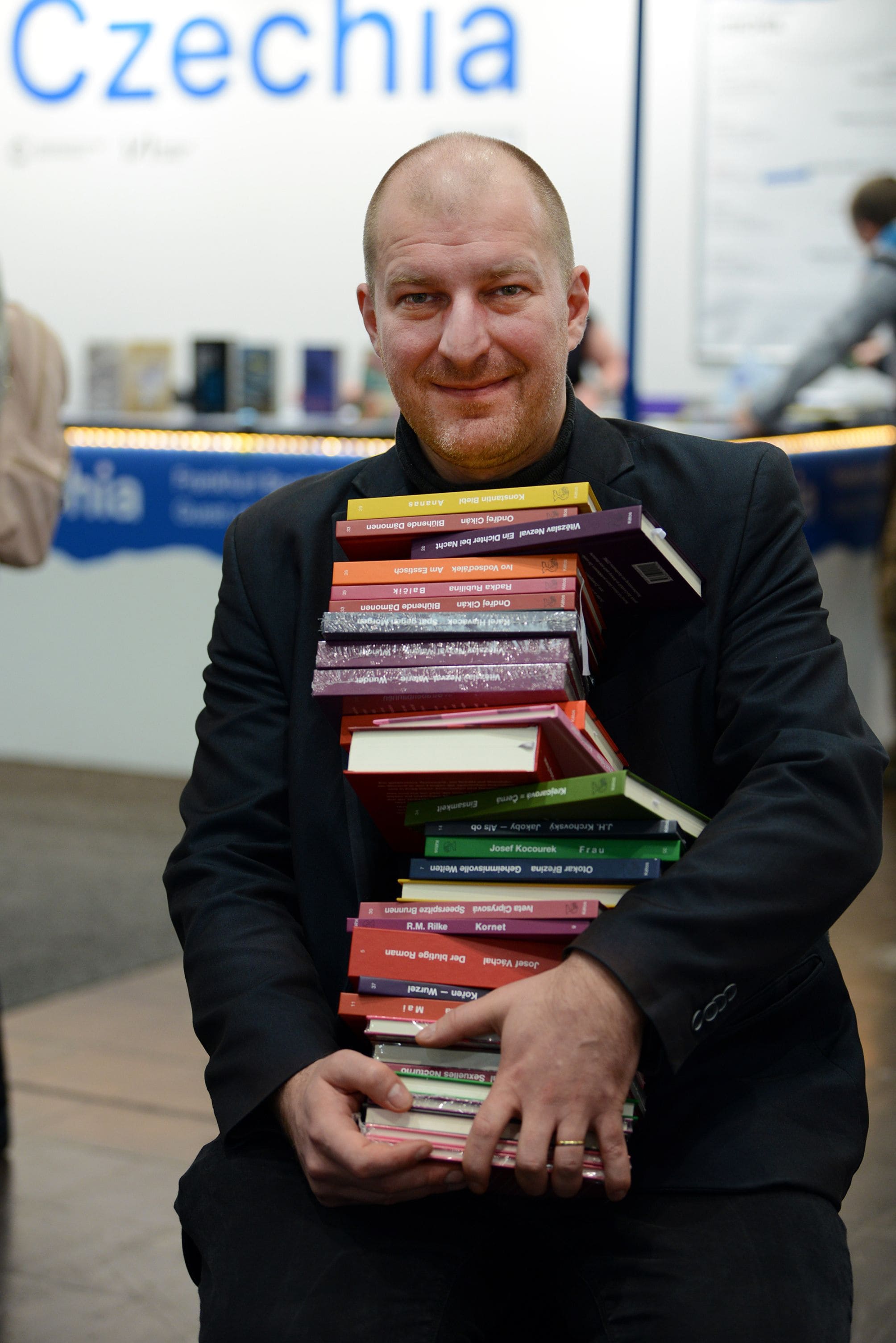
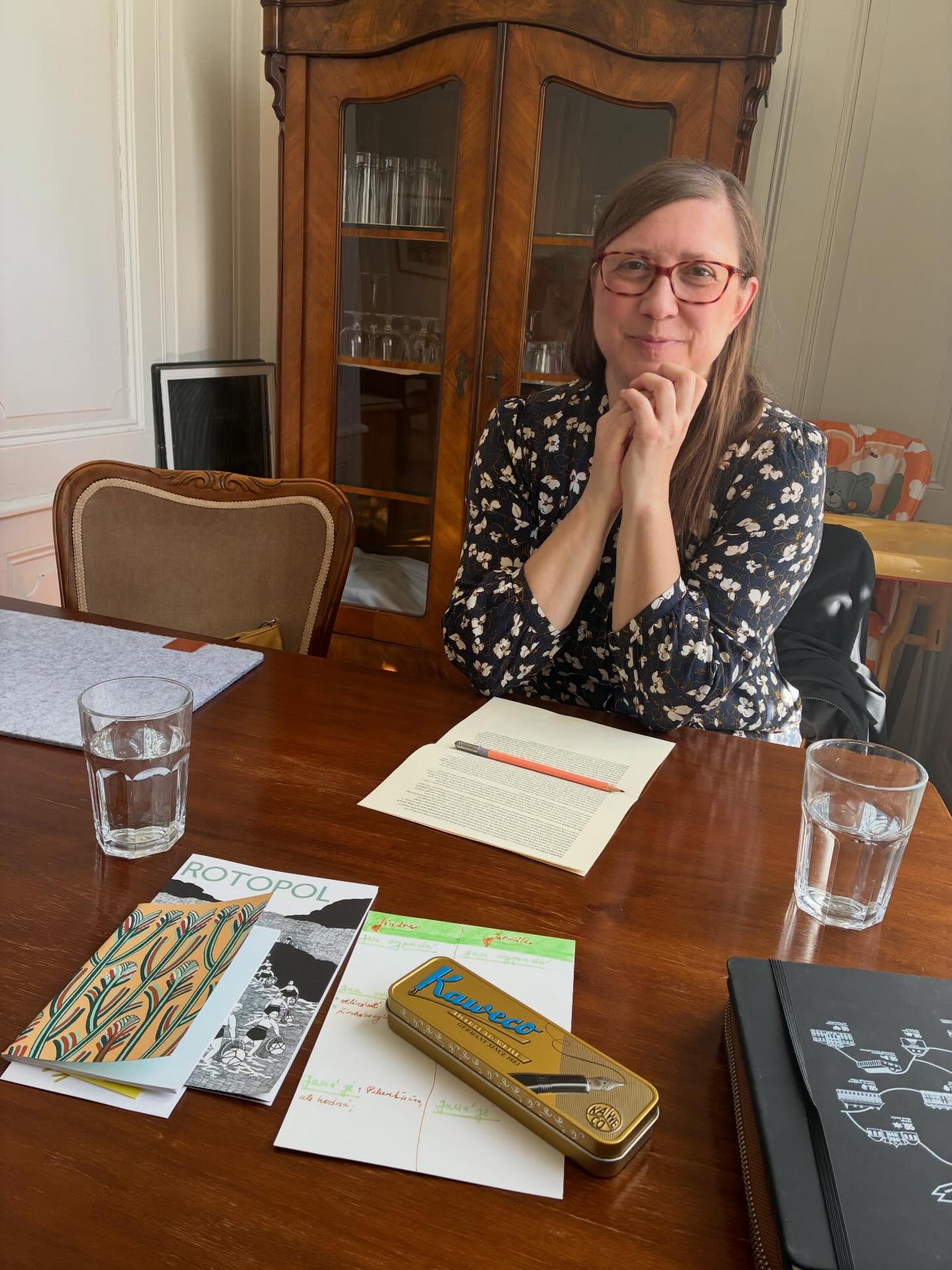
Our translators: Hana Hadas

What kinds of things can be expressed in Czech that are difficult or impossible to express in German?

As with other languages, this probably includes curses and swear words, as well as terms of endearment. Then there are words like “rohlík,” which is a typical Czech pastry, similar to the “Brezn” in Bavarian. Except it’s not something round or curved, but a long roll made from the finest refined flour. A “rohlík” is something completely ordinary in Czech; it appears in almost every text. Sometimes I take the liberty of leaving it as is—after all, we’ve gotten used to the French croissant too.

Does a character’s personality change when you translate them from Czech into German?

I really hope that doesn’t happen! It’s my job to make sure it doesn’t.

When you translate, do you think more in images, in meaning, or in words?

Very often in images—that’s what distinguishes a literary text from a factual one.

What is particularly difficult to translate from Czech humor into German?

Wordplay, diminutives.

Which Czech jokes don’t work at all in German?

Unfortunately—or thank goodness!—the ones that are latently racist and misogynistic.

What do you love about Czech that you miss in German?

Diminutives, regionalisms, such as those from my birthplace in South Moravia.

How has translating changed your own German?

You become more nuanced, express yourself more elegantly.

What was the hardest decision you’ve ever had to make while translating?

It comes up time and again: To what extent am I willing to perpetuate racism, especially in the form of anti-Gypsyism?

What are your favorite words in German and Czech?

“Sehnsucht” and “rampouch” (icicle).

What are you currently working on, and what will be your next project? “Prag Noir,” a highly entertaining collection of noir crime short stories by renowned Czech female authors. And “Pacanka” by Klára Elšíková, a radical coming-of-age story.

The interview was conducted by Nathalie Weber.

The decision has been made. Here is the list of authors attending the Frankfurt Book Fair

The authors will present their books to an international audience of both the general public and professionals at more than 100 literary and cultural events. The centerpiece of the five-day program will be the Czech Republic’s design-focused exhibition in the pavilion dedicated to the fair’s Guest of Honour, covering an area of more than 2,000 m², which will feature two program stages and extensive book exhibitions.

The list of nominees in the categories of prose, poetry, comics, children’s literature, theater, and nonfiction was compiled by the project’s Programming committee, composed of 23 leading experts from the book and literary industries, cultural institutions and management, the translation sector, and the main organizers, based on criteria established at the outset of the project. The main selection criterion was that the author must have a new translation into German published between 2024 and 2026 by a German, Austrian, or Swiss publisher that will actively collaborate on its promotion. Secondary criteria included a new translation of a book into another world language, or, alternatively, whether the author had received a significant literary award in the Czech Republic or abroad between 2024 and 2026.

“The current selection is the result of lengthy and careful discussions within the programming committee. It must be said that this was a very difficult decision. We couldn’t send everyone we wanted to Frankfurt am Main. Although the program space provided by the five days of the fair and two stages may seem extensive, it is still a limited number. We tried to select those who best meet the given criteria. We realize that other authors would also deserve to present their books, but they, for example, do not have a new translation into German. And it is important to emphasize that selection or non-selection for Frankfurt does not imply any evaluation in terms of ‘artistry’ or ‘artistic value,’ or that someone is a better or worse author,” explains Jan M. Heller, literary critic, editor-in-chief of Tvar magazine, and director of the AMU Publishing House in Prague. At the same time, the dramaturgical council sought to maintain diversity and balance in the selection—in terms of poetics, styles, generations, and gender. However, the selected authors may not be the only figures to be featured in Frankfurt. Thanks to the spotlight on Czechia, other Czech authors can be independently presented by foreign publishers, thereby capitalizing on the increased interest in Czech literature.

All authors will come to the Frankfurt Book Fair with a recent German translation of one or more of their books, published by a foreign publishing house in 2024–2026. Their number, thanks also to increased support from the Ministry of Culture of the Czech Republic and the special “The Path to Us” call of the Czech-German Fund for the Future in connection with preparations for the Guest of Honour presentation, had risen over these three years to 115 as of 14 May 2026.

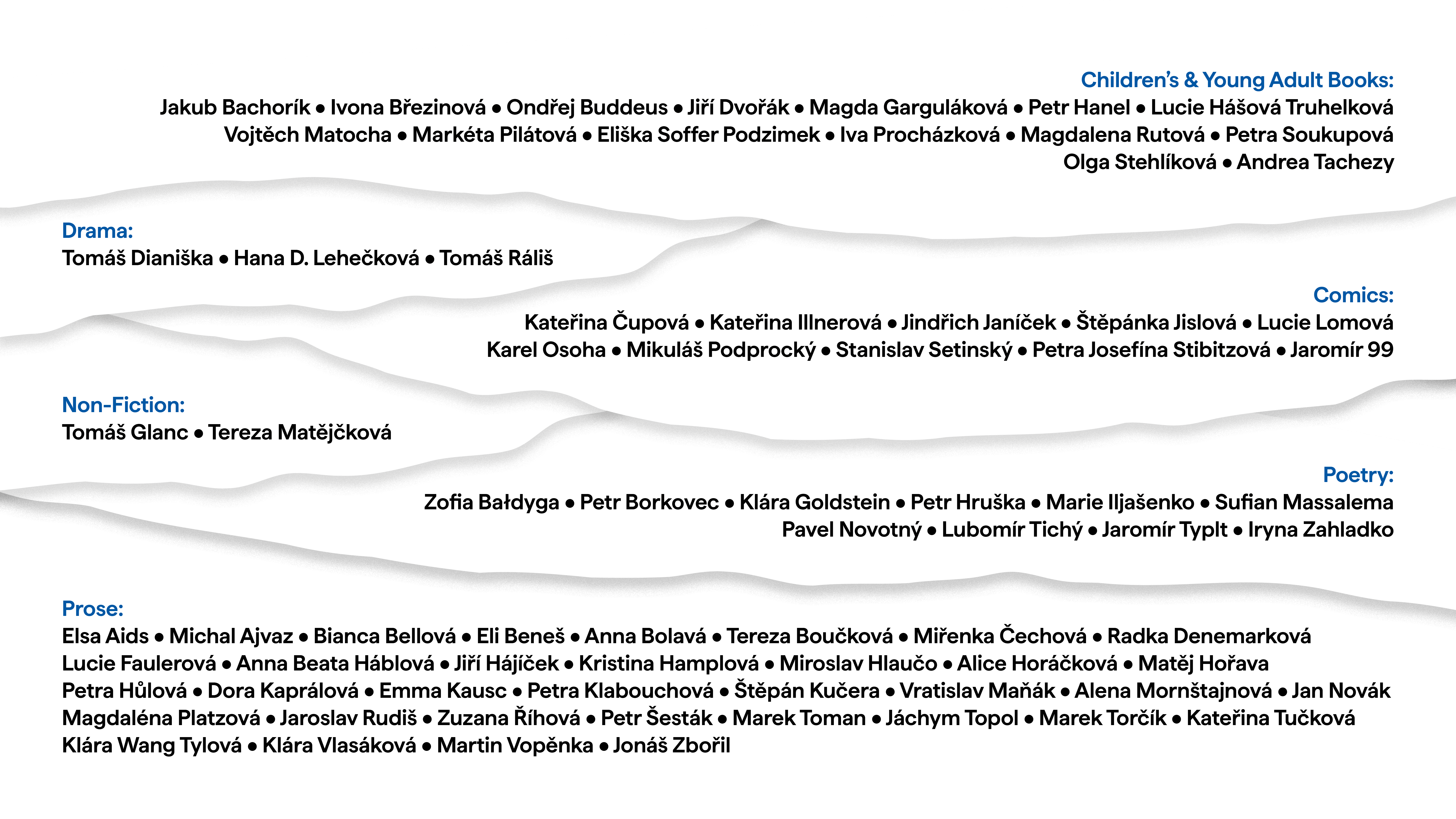
Authors attending the 2026 Frankfurt Book Fair

Sorted by literary genre and alphabetically

Children’s literature:

Jakub Bachorík, Ivona Březinová, Ondřej Buddeus, Jiří Dvořák, Magda Garguláková, Petr Hanel, Lucie Hášová Truhelková, Vojtěch Matocha, Markéta Pilátová, Eliška Soffer Podzimek, Iva Procházková, Magdalena Rutová, Petra Soukupová, Olga Stehlíková, Andrea Tachezy

Theater:

Tomáš Dianiška, Hana D. Lehečková, Tomáš Ráliš

Comics:

Kateřina Čupová, Kateřina Illnerová, Jindřich Janíček, Štěpánka Jislová, Lucie Lomová, Karel Osoha, Mikuláš Podprocký, Stanislav Setinský, Petra Josefína Stibitzová, Jaromír 99

Nonfiction:

Tomáš Glanc, Tereza Matějčková

Poetry:

Zofia Bałdyga, Petr Borkovec, Klára Goldstein, Petr Hruška, Marie Iljašenko, Sufian Massalema, Pavel Novotný, Lubomír Tichý, Jaromír Typlt, Iryna Zahladko

Prose:

Elsa Aids, Michal Ajvaz, Bianca Bellová, Eli Beneš, Anna Bolavá, Tereza Boučková, Miřenka Čechová, Radka Denemarková, Lucie Faulerová, Anna Beata Háblová, Jiří Hájíček, Kristina Hamplová, Miroslav Hlaučo, Alice Horáčková, Matěj Hořava, Petra Hůlová, Dora Kaprálová, Emma Kausc, Petra Klabouchová, Štěpán Kučera, Vratislav Maňák, Alena Mornštajnová, Jan Novák, Magdaléna Platzová, Jaroslav Rudiš, Zuzana Říhová, Petr Šesták, Marek Toman, Jáchym Topol, Marek Torčík, Kateřina Tučková, Klára Wang Tylová, Klára Vlasáková, Martin Vopěnka, Jonáš Zbořil


Photo: Lucie Schubertová

Czech Literature in the German-speaking Media in April

NZZ and Frankfurter Allgemeine Zeitung reported on our press trip to Bohemia.

Tagesschau.de and MDR provided detailed coverage of Mitteldeutscher Verlag, which offers a wide selection of new Czech releases.

Ondřej Hübl’s novel "Der Vorhang" was reviewed by Deutschlandfunk Kultur and WDR Westart.

Petr Šesták’s story about a bicycle courier who navigates his way through the madness of traffic every day, “Ausgebrannt,” was reviewed by Deutschlandfunk Kultur and on faustkultur.de.

Czech children’s books were also widely discussed: Lenka Blaze’s “Ich bin introvertiert” was featured in “Büchermarkt” by Deutschlandfunk Kultur, Frankfurter Allgemeine Zeitung reviewed Iva Procházková’s “Mentha,” and Marita Kelbl’s “Weder Junge noch Mädchen” was featured in Spiegel.

In addition, Buchmarkt reported on Dora Kaprálová, who won the Magnesia Litera Prize. And Süddeutsche Zeitung covered the residency of Czech artists at the Künstlerhaus in Bamberg.

Results: Czech Literary Centre Travel Grants

As of 31 March 20226, the Czech Literary Centre had received a total of 63 applications (40 from institutions, 23 from authors) under the Czechia 2026 Author Mobility Support Programme, announced in connection with preparations for the presentation of Czech literature during CZECHIA’s guest-of-honour appearance at the 2026 Frankfurt Book Fair. The applications concerned the period from 1 July to 15 December 2026, and the total amount requested came to 2,883,225 CZK. A total of 820,000 CZK had been allocated for the call in the Moravian Library’s budget. A committee composed of members of the Dramaturgical Council of the Czechia 2026 project (Jana Čeňková, Christina Frankenberg, Jan Heller, Pavel Kořínek, Adriana Krásová and Michal Zahálka) recommended awarding support to 34 projects, to which it assigned funds totalling 820,000 CZK.

An overview of the results can be downloaded HERE.

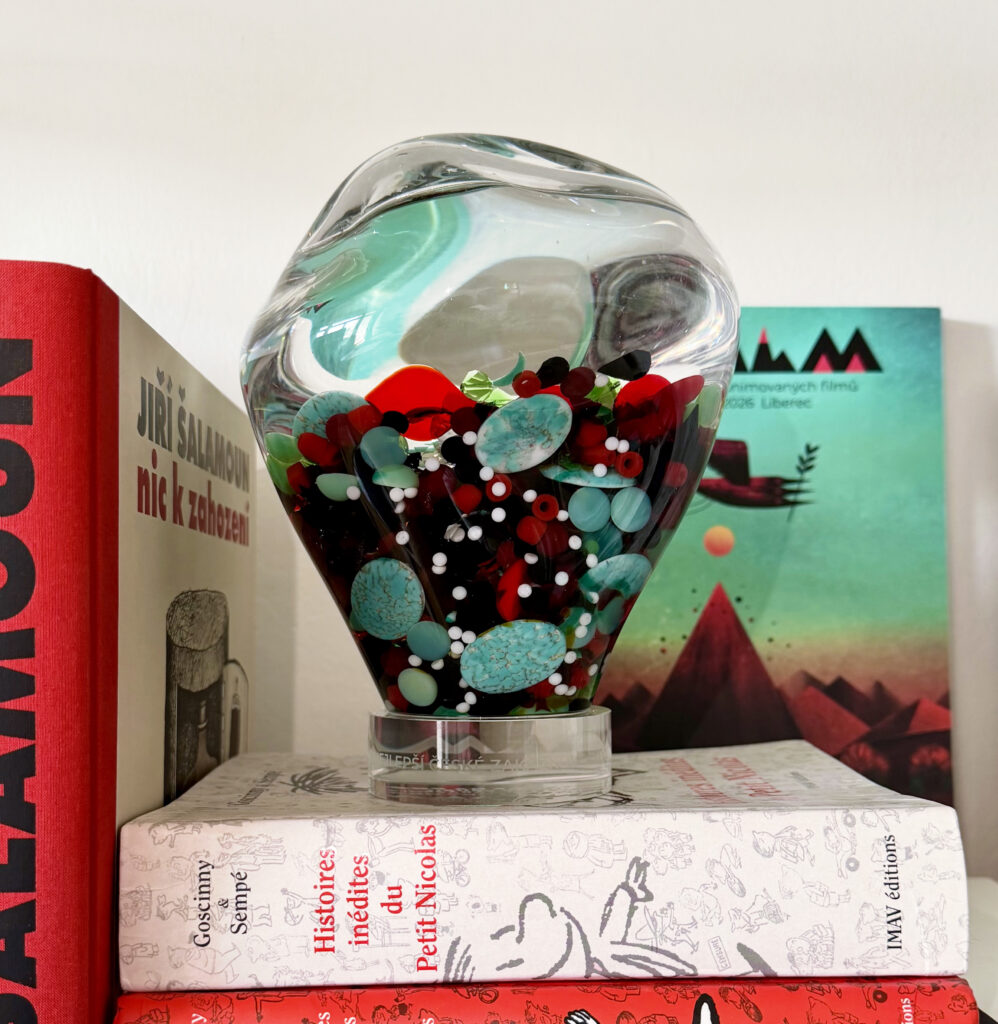
The "Czechia 2026" videospot was a hit at Anifilm festival. Jakub Kouřil won the award for Best Czech Commissioned Work

“Český obzor” is an Anifilm competition focused on Czech animated works. The winning projects are selected by the Animated Film Council, composed of professionals from the field of animation.

The jury praised the spot’s originality and creative execution: “This original spot, created for the Czechia 2026 project, was produced to mark the Czech Republic’s Guest of Honour appearance at the Frankfurt Book Fair. Through playful animation, it metaphorically connects literary worlds with the vision of Czechia as a cultural hub and invites viewers to discover our stories.”

“I’m thrilled to receive this award from the Anifilm International Festival, because it comes from professional filmmakers. Even though our commercial has received mostly positive feedback, it’s always nice to get recognition from colleagues in the industry—it gives me the confidence I need for my future work. At the same time, I really appreciate that Anifilm’s program also features commissioned work. Thanks to this, attention is also given to commercials and short films that are often created solely for a specific occasion and then immediately end up ‘in a drawer.’ This is often a shame—especially when there is enough creative space and time to develop ideas, as was the case with the Czechia 2026 project. “I hope visitors to the Frankfurt Book Fair enjoy the spot and that the Guest of Honour program goes as planned,” said Jakub Kouřil.

Also read the interview with Jakub about how the Czechia 2026 spot came to be. We congratulate Jakub and the entire creative team on the award.

Photo Report: "Wellenwelten / Příliv příběhů" in Berlin

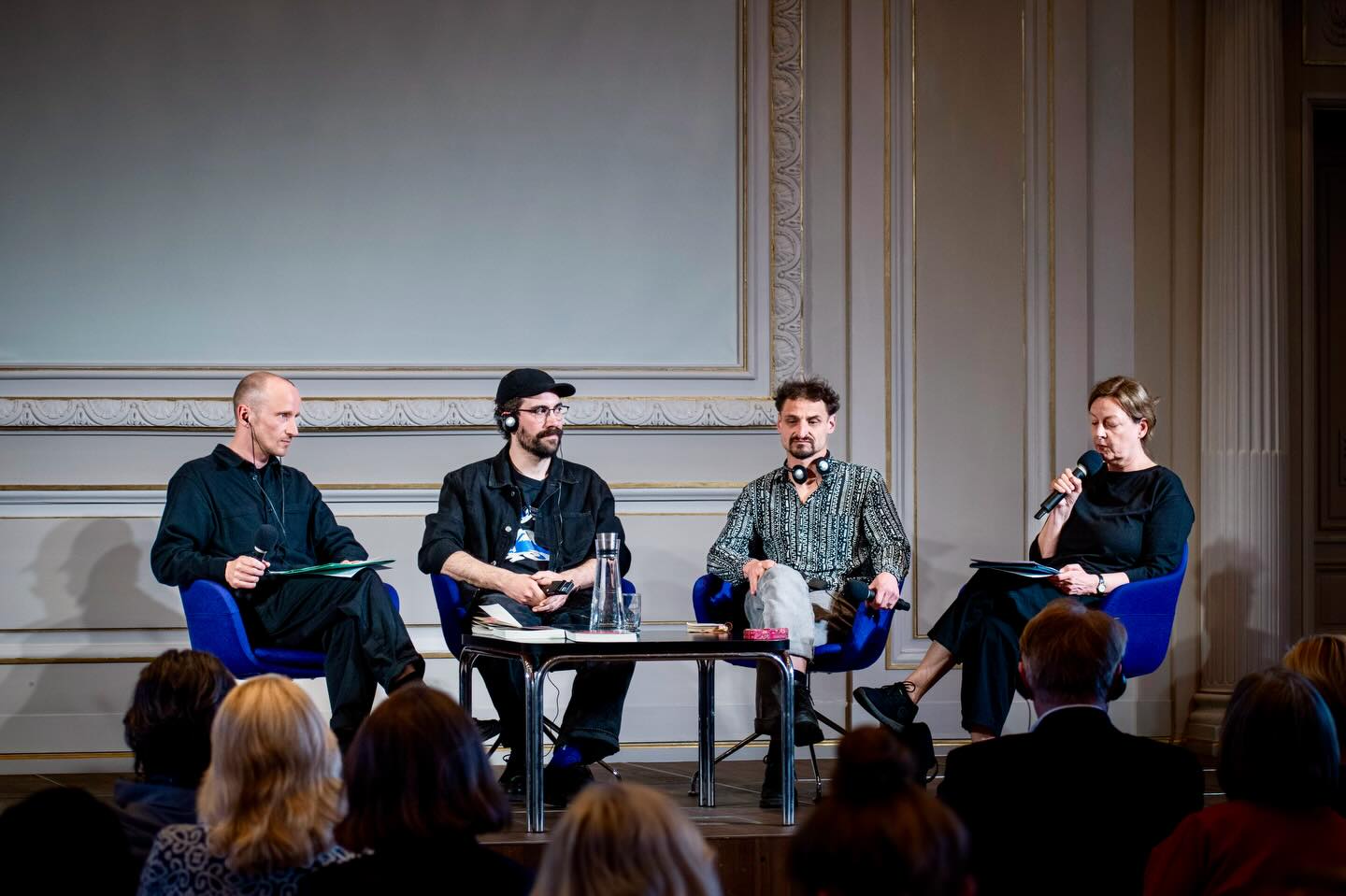
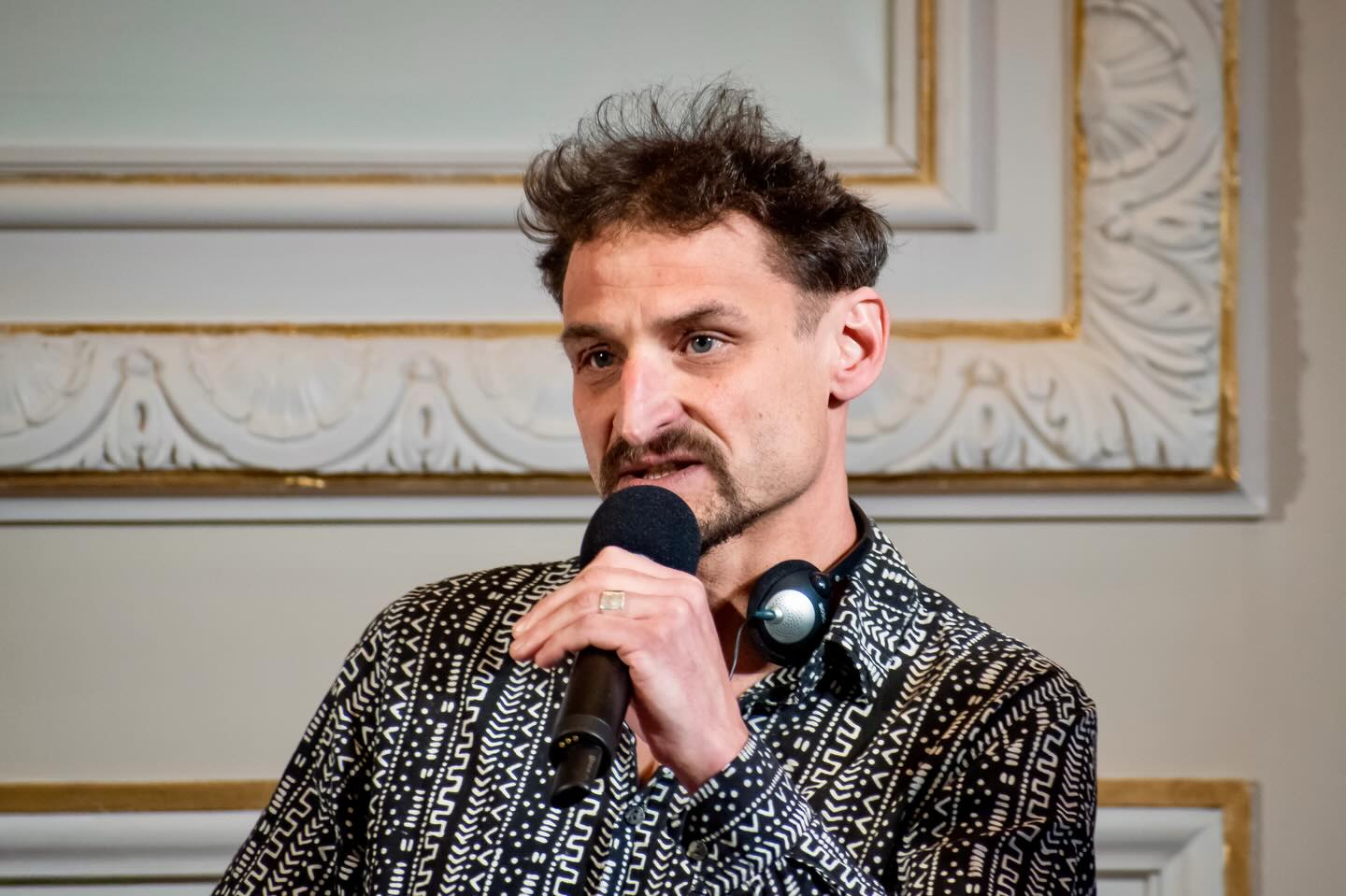
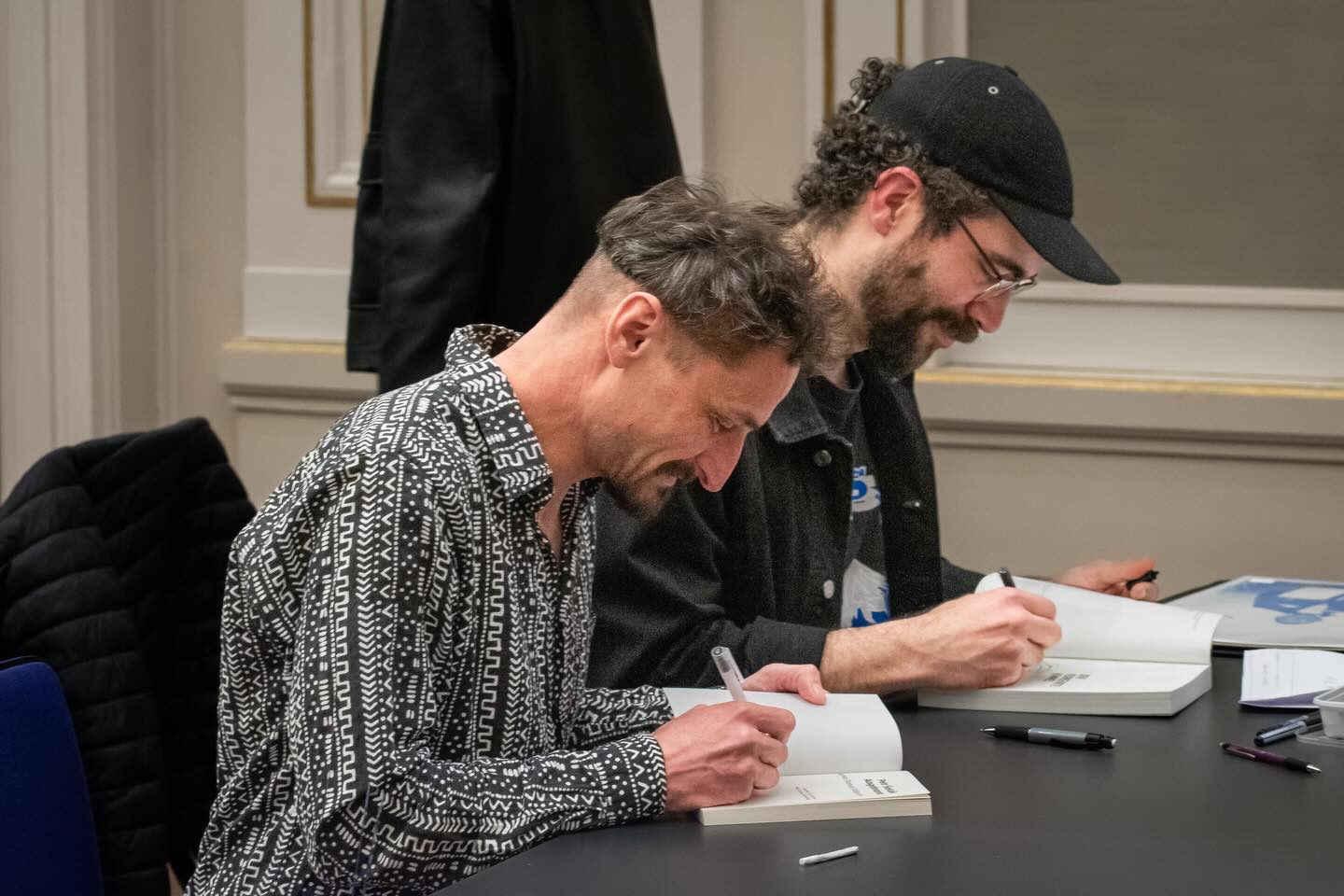
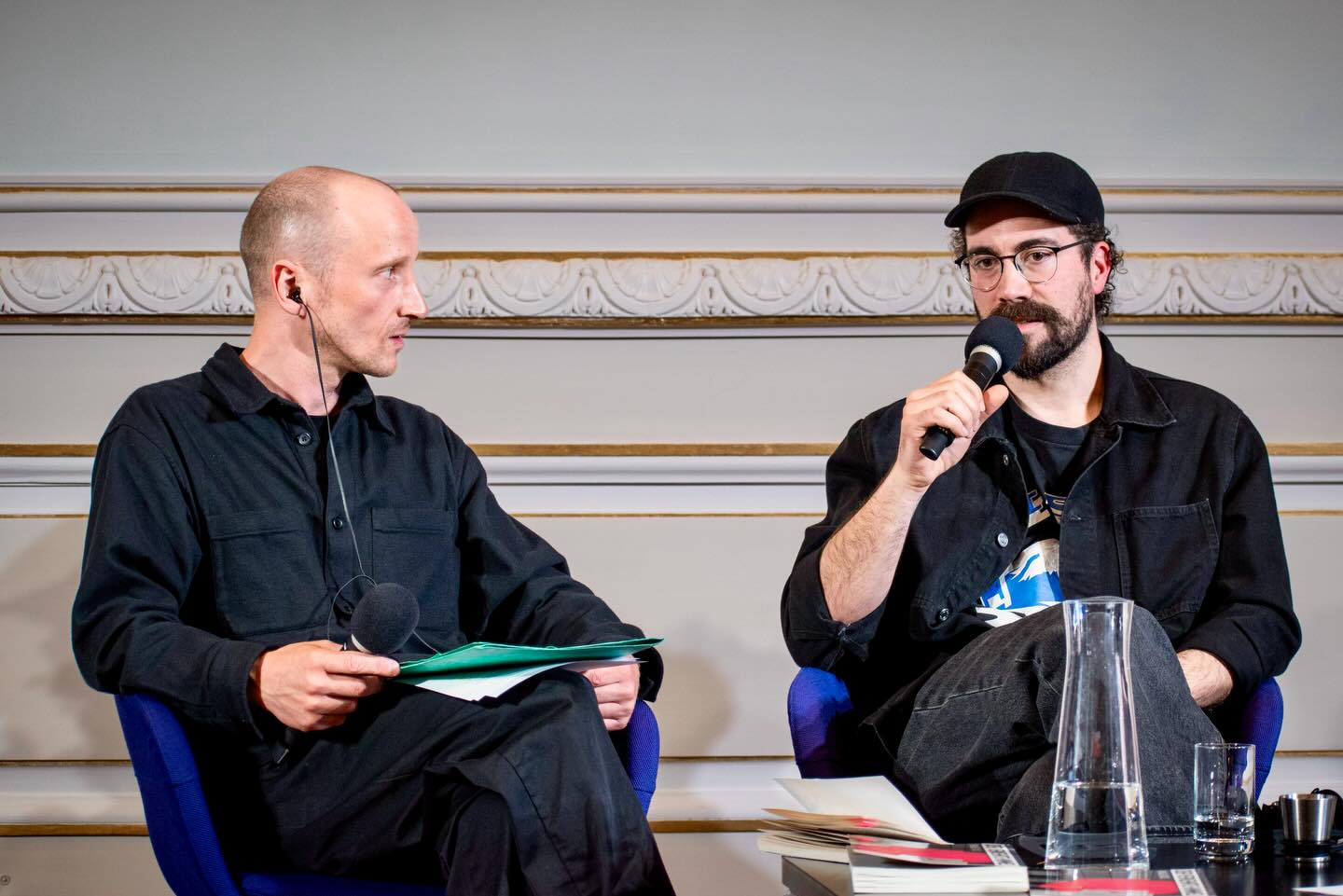
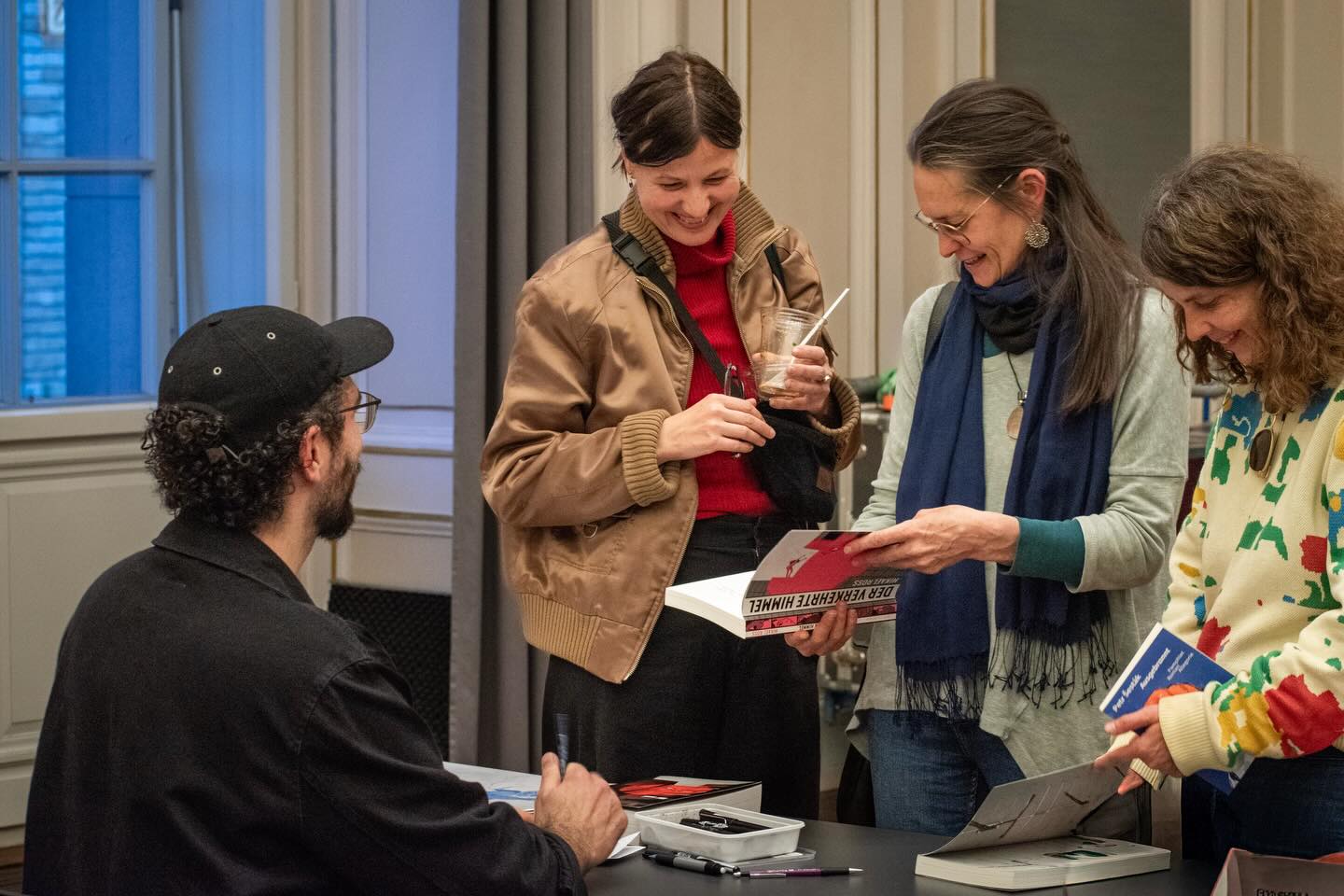
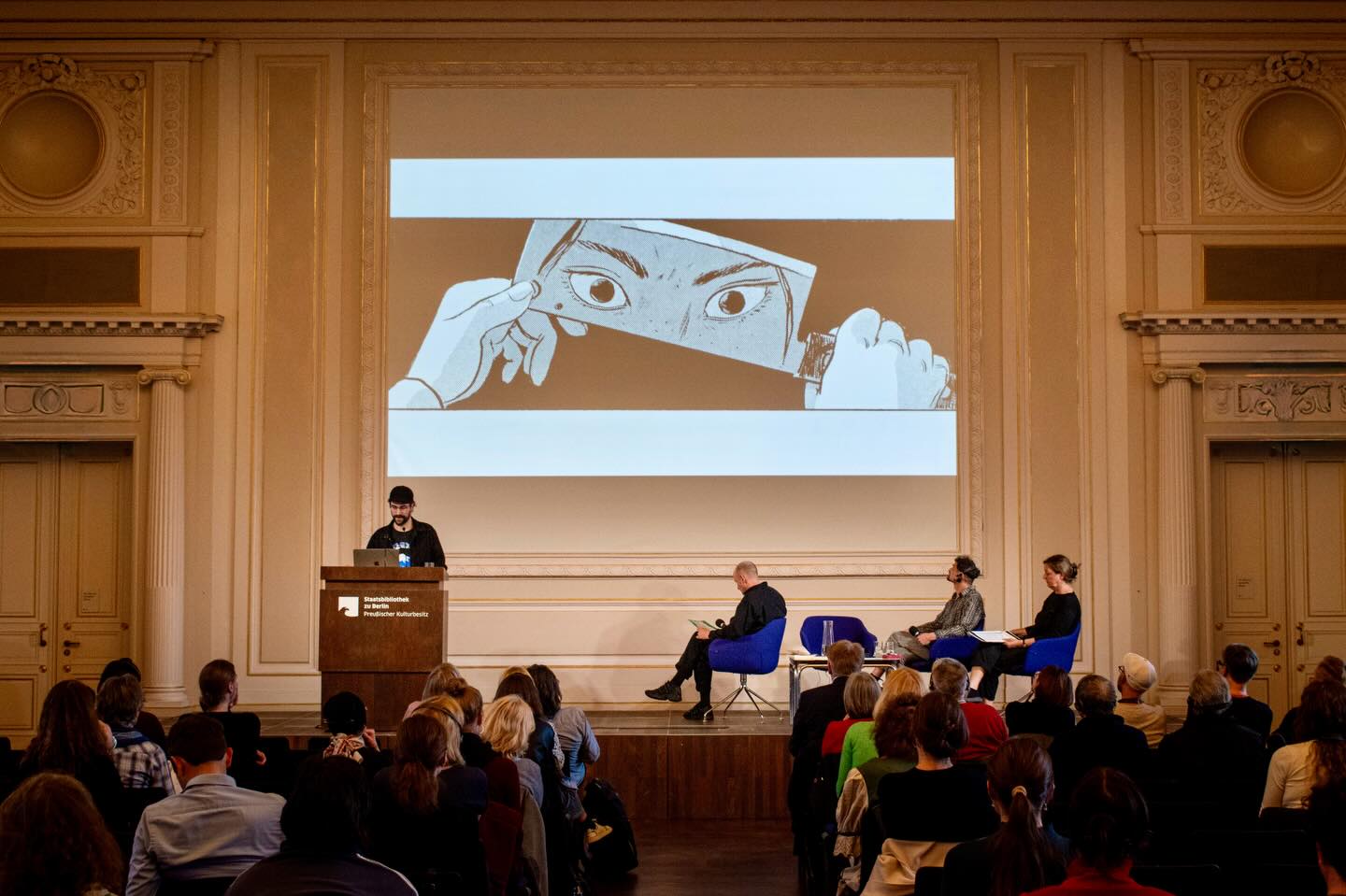
At the Staatsbibliothek zu Berlin, comic artist Mikael Ross and writer Petr Šesták discussed their books "Der verkehrte Himmel" and "Vyhoření" ("Ausgebrannt") with Ludwig Lohmann. Other themes were the city, marginalized voices, social conflicts, and public space.

Organized in cooperation with the Czech Center Berlin.

Photos: Tomáš Vedral & Katrin Unarová

Online Bestseller: How Instagram Helped the Book “O hvězdách víš h*vn*” Succeed

Petr, so what—has your debut already crossed that magical milestone of 10,000 copies sold and become a bestseller?

That’s right. When I confided last April that I’d like to reach that goal, people tapped their foreheads and told me to get back to reality. But the book had a tremendous finish last fall, a year and a half after its release.

I feel like the way you talk about the book plays a big part in its success. You’re very active on social media, on the Klub psáčů podcast, and in interviews. What led you to dive into it like this? And how do you actually feel about it? Especially on social media, which can be inspiring but also pretty exhausting. It’s easy to compare yourself to others there, and sometimes you even get some hate.

It’s definitely not just a feeling. Social media has played a big role. Interestingly, even when I was sending the manuscript to the publisher, I mentioned in the accompanying email that I planned to get involved in the marketing. I just probably didn’t really have a clue what I actually meant by that. But after those nine years of writing, I simply didn’t want to leave the book on its own. I didn’t want to accept that it would survive on the shelves for three months and then fade away.

I’ve been living off shooting reels for the past year, but not because they helped me promote myself. They also became a way for me to channel my filmmaking creativity. I learned to act, edit, work with sound, and master comedic timing. But in the end, the reels were consuming too much of my creativity. Every day, I came up with 2–3 scripts that I didn’t even have time to film. Plus, I felt that I’d rather channel my starving creativity into other creative work. That’s why I’ve slowed down with social media now.

Do you take anything from social media for yourself? Do they inspire you in any way? And what has caught your interest in literature lately?

If you want to create content for social media, you have to consume a lot of it too, to get a feel for how this medium works. That was exhausting for me. If a significant part of my work weren’t tied to Instagram, I’d probably delete my account. There are a lot of inspiring creators out there, but I feel like social media is more of a drain on me.

As for the world of books, I’ve recently been captivated by Jakub Stanjura, who writes in a fascinating style. And right now, a new book by Jan Hamouz is being published by Host, and he writes some of the best Czech fantasy.

What’s also interesting about your debut is that it’s a young adult book written from a boy’s perspective. Why did you choose this particular path? And how did you get inside the head of a teenage boy?

I myself missed having a book like this. And not just during puberty, but later on as well, whenever I felt lost in relationships or when trying to form them. I wish someone had come up to me back then and told me that everyone around me was just as confused, clumsy, and awkward—that relationships are simply like that. Whether we’re teenagers or in our thirties. (There were even readers in their thirties who had experienced similar things just recently.)

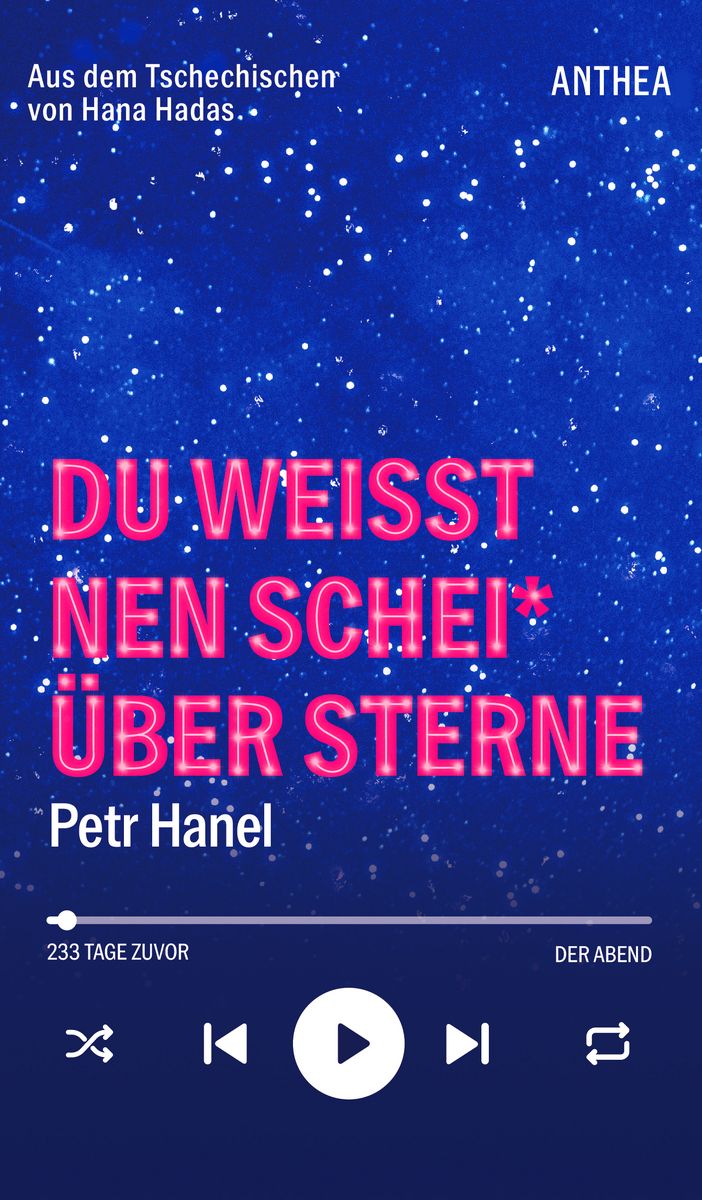
Petr Hanel: Du weißt nen Scheiß über Sterne

I believe that’s precisely why the book resonates so strongly even beyond teenagers. Many people find answers here to questions that have haunted them for years.

So the original intention was to show relationships without filters. I chose a boy’s perspective not only because it’s closer to me, but also because I felt its realistic portrayal was missing in literature. I didn’t want to romanticize anything or soften the edges; I wanted to show the uncensored reality that would be interesting not only to readers who are experiencing or have experienced it, but also to female readers, giving them a glimpse into our minds and experiences.

Getting inside the head of a teenage boy wasn’t that difficult. I searched my memory, my diary, or my ICQ archives… It wasn’t an easy read, but it reminded me of how I perceived the world back then.

Did you consult with anyone close in age to your protagonist while writing?

Over the years, the manuscript has been read by more than ten beta readers, a third of whom were the same age as the main characters. Some of them read the text multiple times, and given how long it took to write, they’ve even outgrown it in terms of age. Just before publication, however, I found two beta readers from the target demographic who performed a final “update” review.

In the book, you address, among other things, the topic of the manosphere. Do you perceive it as something that is truly present among high school students today?

As I write these answers, I’m on my way back from Pilsen, where I gave a talk on this topic for the Boy Scouts. They reached out to me to ask if I’d give such a talk because they’ve noticed misogynistic behavior among the boys in their troops. So I do perceive that the manosphere is very much present. To the point where it’s almost becoming mainstream. And not just among high school students, unfortunately.

Have you received any feedback from anyone saying that your book helped them change their perspective on this issue?

Some guys wrote about their experiences with the manosphere, while others wrote that the book helped them stay afloat when they were in a state of mind that these influencers most often prey on.

I also heard from girls who said the book helped them realize they weren’t in a healthy relationship. In several cases, it was with someone who was adopting the rhetoric of the manosphere.

And then there were parents who learned about the manosphere thanks to the book and realized they needed to start talking to their sons about this topic before they reached an age where any communication becomes more difficult.

The book has now been published in German, and you presented it in Leipzig. What was that like for you? And have you received any initial feedback from German readers yet?

When I entered the first hall of the fair, it didn’t take long before I felt overwhelmed. The sheer number of people, the multitude of booths, and above all, the staggering number of books—often, at first glance, the flagship titles of leading publishers, presented with great fanfare. And right next to them, the unknown “O hvězdách víš h*vn*”.

I was reminded of book influencers’ complaints that their reading lists are endlessly long, and I wondered if the book could even make it onto them.

The near future will show how it turns out. The first reactions from German readers are already out; some are enthusiastic, some “just” positive. But I’m thrilled that Hana Hadas managed to convey all those emotions in the translation as well.

You’ve also shared a few funny stories on social media about the translation Hana Hadas worked on. Can you think of any others you’d like to share?

Sure, there were plenty. For example, with this passage from the book, Hana and I had to clarify the last sentence:

“Life is really strange. Have you ever thought about the fact that in no movie does the hero ever go to the bathroom? That Bella never holds her gas in front of Edward? That Harry and Ron never once opened a magical magazine with moving, lustful witches and felt a terrible urge to polish all the cutlery in the Hogwarts kitchen?”

As we can see, the world of film—where you worked for a time—is a major source of inspiration for you. How exactly did that influence the book’s style? And would you ever like to return to filmmaking?

I enjoy experimenting with literary form, and films served as an inspirational framework for that—whether it’s “cutting” between scenes or storytelling through imagery. To be more specific, that’s how a scene like this came about: I placed two protagonists in a confined space and tried to convey the romantic tension between them without dialogue or inner monologues, relying solely on descriptions of body language.

But my filmmaking ambitions haven’t left me; I believe that in the second half of the year, time will allow me to return to the set.

What new waters do you want to venture into next?

I had planned to dive into speculative sci-fi. That is, to take some slightly more advanced technology—in this case, a specific social network—and set it in today’s world. The story would not only concern Generation Z this time, but also millennials and topics relevant to both generations.

But my plans were derailed by director Robert Hloz, who is preparing another sci-fi film after “The Point of Renewal” and approached me to ask if I would write the screenplay for him.

Your love of music is also evident in the book. If you had to capture it in a single song, which one would it be and why?

I don’t know if I’d call it a hobby exactly. But when it comes to movies, for example, I’ve always been fascinated by music. The same shots can feel like a horror movie or a romance, depending on what soundtrack you add to them. That’s why I’ve always enjoyed the idea of connecting the world of music with the world of literature. What if I could amplify the emotions on the pages with the right song? That’s how the idea came about to create a soundtrack for the book with QR codes that let you play specific songs for specific scenes.

But if I had to express my relationship with music with just one song, I couldn’t do it. There would actually be two. “Best of You” by the Foo Fighters and “Sunshine (Adagio in D Minor)” by John Murphy. As for why I can’t really explain it—just listen to them and you’ll feel it for yourself.


Photo: Michaela Samiecová; Sabine Felber/Literaturtest
The interview with author Petr Hanel was conducted by Karolína Tomečková.
Our translators: Zuzana Finger

What kinds of things can be expressed in Czech that are difficult or impossible to express in German?

Czech is rich in diminutives, which allow for the nuanced expression of a whole range of emotions. This linguistic tool is only partially available in German.

Does a character’s personality change when you translate them from Czech into German?

The cultural and social background of the characters cannot be transferred one-to-one, and therefore the characters’ personalities and actions sometimes come across differently against the backdrop of German readers’ experiences.

When translating, do you tend to think in images, in meaning, or in words?

Alternately in all three categories, though meaning is probably the most important to me.

What is particularly difficult to translate from Czech humor into German?

To me, Czech humor has a greater sense of calm and relaxation than German humor, which can easily be misunderstood in translation.

Which Czech jokes don’t work at all in German?

Jokes that refer to current Czech circumstances or specific public figures.

What do you love about Czech that you miss in German?

I love the playful and whimsical nature of Czech, and I let it inspire my German.

How has translating changed your own German?

I have become more conscious of my language and am refining it as a tool for artistic interpretation.

What was the hardest decision you’ve ever had to make in a translation?

The realization that I can only approximate the meaning of a multilingual Czech poem, written in the spirit of the Austro-Hungarian Empire, for readers in Germany.

What are your favorite words in German and Czech?

Two terms of endearment. In German: Augenstern. In Czech: zlatíčko, little darling.

What are you currently working on, and what will your next project be?

I’m currently finishing a poetry translation, and my next project will be poetry again.


Photo: Thomas Heimerl
The interview was conducted by Nathalie Weber.

Czech artists are heading to Bamberg. Villa Concordia will welcome six artists in 2026

The fellows will arrive in Bamberg in April or October 2026 and will stay at Villa Concordia for five or eleven months, depending on their choice. During their residency, they will live and work in Bamberg, with facilities available directly at the Villa Concordia International Artists’ House, as well as a monthly stipend of 1,500 euros. The residency also includes public presentations during which the artists will showcase their work.

Strong Czech Representation Across Disciplines

The Czech Republic is represented in all three artistic fields within the program. In the visual arts, Monika Immrová and Karel Štědrý were selected; in literature, Dora Kaprálová and Eva Profousová; and in music, Jiří Kadeřábek and Pavel Šabacký.

A total of 13 scholarship recipients from Germany and the Czech Republic were selected for 2026. In the visual arts, they are Johanna Ehmke, Luca-Maria Hien, Monika Immrová, and Karel Štědrý; in literature, Leon Engler, Franziska Hauser, Dora Kaprálová, Christine Koschmieder, and Eva Profousová; and in music, Jiří Kadeřábek, Lou Kilger, Julia Mihály, and Pavel Šabacký.

Bavarian Minister of Culture Markus Blume stated during the announcement of the names that it is precisely the combination of openness to the world, artistic excellence, and Franconian warmth that gives the Free State of Bavaria’s Künstlerhaus its unmistakable character. According to him, under the leadership of Director Nora-Eugenie Gomringer, Villa Concordia is a place where international perspectives not only meet but also inspire one another. He noted that this year’s partner country, the Czech Republic, builds on a vibrant tradition of cultural exchange, and the fellowships create space for intercultural dialogue, mutual understanding, and artistic exchange.

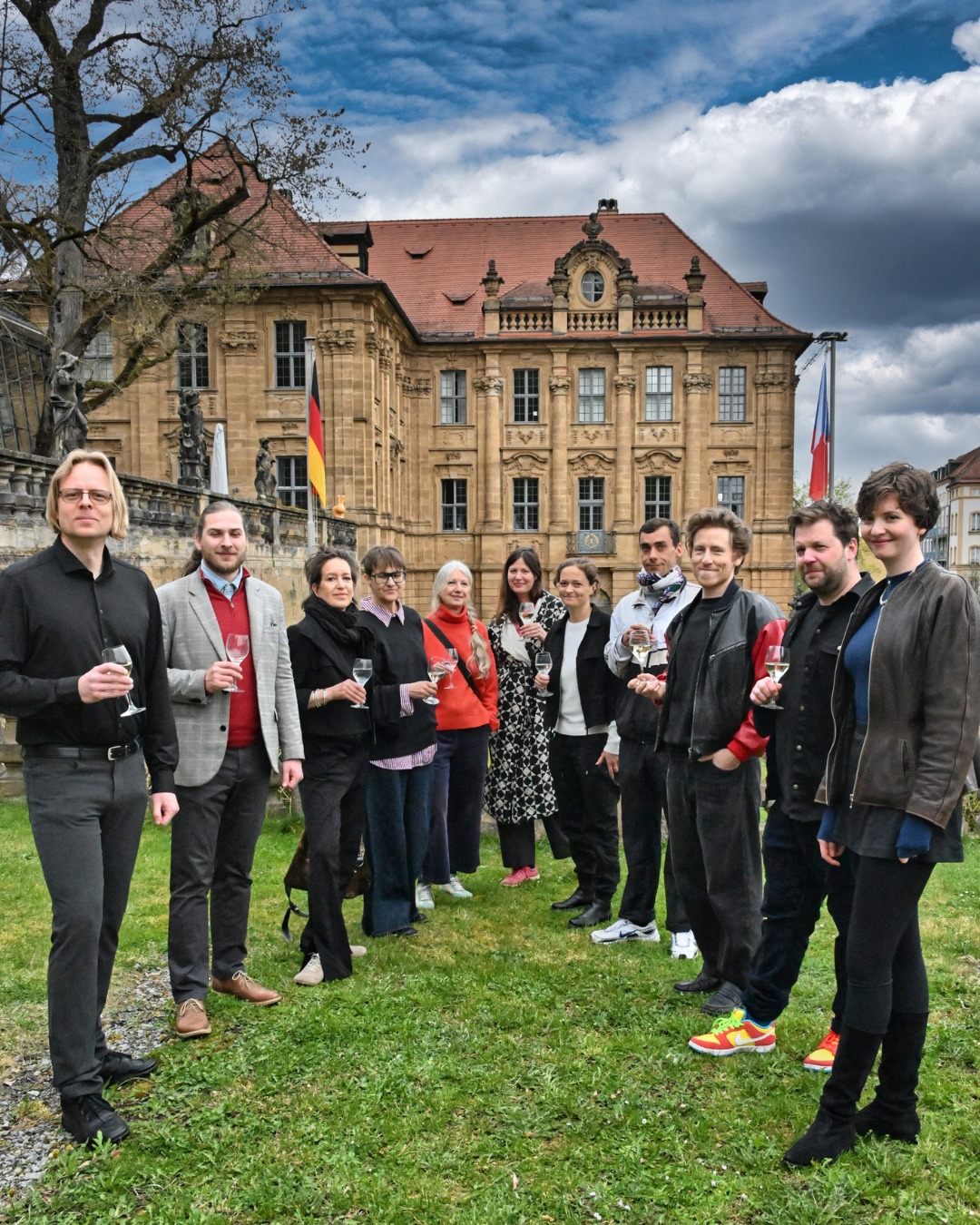
Villa Concordia, Bamberg, rezidenti a rezidentky

Official presentation of the new scholarship recipients

Director Nora-Eugenie Gomringer will welcome the new scholarship recipients and introduce them to the public on May 19, 2026, at 7 p.m. at Villa Concordia in Bamberg.

The international artist residency Villa Concordia has been in operation since October 1997. Every year, it invites artists from Germany and one other country in the fields of visual arts, literature, and music. In recent years, fellows have come from countries such as England, Norway, Poland, Scotland, Greece, Lithuania, Slovenia, Finland, France, Ukraine, Ireland, and most recently Turkey.

More information about the Villa Concordia International Artists’ Residence in Bamberg and this year’s scholarship recipients is available here.

According to Ondřej Cikán, Czech poetry deserves patient care, not submission to foreign demand

At the Leipzig Book Fair, you presented several titles from Kétos publishing house. How do you select the Czech books you want to introduce to audiences in German-speaking countries?

Kétos publishing house is directly focused on Czech literature. We concentrate on works and movements that make Czech literature exceptional. On the one hand, we are gradually publishing a cross-section of Czech literature that is interesting from the perspective of Poetism: that is, what inspired the Poetists, from Mácha through the Symbolists, then the Czech Poetists and Surrealists themselves, and then everything possible that was influenced by Poetism or is in any way related to it, whether in the underground or in contemporary works. At the same time, we place great emphasis on all possible side paths and distinctive mavericks who may have been forgotten even here at home. Among them are, for example, Váchal, Kocourek, Nevšímal, etc.

What specific titles did you present in Leipzig? Can you briefly explain why you chose these particular ones?

We have invited poets Iveta Ciprysová and Radka Rubilina to our events in Leipzig. Iveta Ciprysová is a young poet who is not afraid of formal verse or clear references to poets such as Nezval or Hlaváček, which fits perfectly into our program. Radka Rubilina, director of the Czech Center in Sofia, combines ancient mythology with the subjective, contemporary fate of her poetic self. Her use of abbreviations and similes reminds us of Ingeborg Bachmann. These are precisely our other major interests: antiquity and the interconnection of German and Czech culture. We will also present Josef Kocourek’s novella “Jensen und Lilie”, which complements our program of surrealist and adventure novels, and finally, my new collection of poetry.

Kétos publishing house focuses heavily on poetry. What attracts you to this particular area of Czech literature?

I don’t need literature to retell a story: artificial intelligence or a TV documentary can do that too. Poetry is interesting in that it ideally draws on all the possibilities of language to intensify, visualize, and set to music that pure narrative. Czech poetry—in the Mácha and Poetist traditions—excels in this regard. It is, however, particularly challenging to translate, as it makes maximum use of the specificities of the Czech language. But that is precisely what attracts and inspires me, even when writing in German.

Poetry in the Czech Republic is not among the most widely read genres. What is the situation in Germany and in the German-speaking world in general? And how is Czech poetry received there—do you think it has a chance of reaching a wider audience?

Poetry has been a popular genre in the Czech Republic for much longer than in German-speaking countries. In Austria and Germany, poetry is hardly read even in high schools, because it is essentially no longer required for the final exams. In German-speaking countries, the situation for poetry is far worse than in the Czech Republic. And on top of that, we have the problem that over the past century, Russia has managed to establish itself as the only cultural nation east of East Germany. Yes, since 2022, contemporary Ukrainian authors have also been read, which is a good thing. But almost no one in the German-speaking world knows the basics of either Ukrainian or Czech literature. Yet it was precisely Czech literature that—despite all the major differences—was closely intertwined with German literature until the rise of the Nazis. In short: reaching a broader German-speaking audience with Czech poetry is a long-term endeavor, but in my opinion, it is more important and beneficial for both sides than writing novels for export tailored to current German tastes.

In addition to your current work, you also publish older texts. How do you select them, and in what ways might they be relevant to today’s readers?

We all live in the present, which, like every era, is subject to trends. Paradoxically, if we want to find something new, something surprising, we’ll have better luck looking to the past, which wasn’t subject to today’s trends. I studied Ancient Greek and Latin and read novels from a time when the genre was completely new and uncharted. For me, literature is something like natural science: in different languages and different eras, the servants of the Muses arrived at various insights—for example, regarding rhythm, onomatopoeia, or imagery—that can inspire us today in our own language so that we don’t come across as clueless.

Ondřej Cikán, foto: Sabine Felber

You work as a translator, publisher, and author. How do you manage to balance these roles—and in what ways do they enrich each other (or perhaps even get in each other’s way)?

Translation is an inspiration for writing, and writing is practice for translation. Translation and publishing take time away from my own creative work, but on the other hand, I don’t know how I would write on my own if I didn’t practice through translation. At the same time, translation is a certain obstacle to my own creative work in the sense that I’m happy to talk about new translations and answer questions, but I don’t mention my own new poems. So, to be clear: I’m writing a Czech collection in various metrical forms, because the ability to use meter is a specific feature of the Czech language, and I need to explore that meter. In German, my collection “Die Kinder der Riyun” has just been published by Limbus publishing house. It’s influenced by Japanese manga and is about a timeless battle against demons. It’s also very much about Prague.

Do you ever find that some Czech texts “come across” differently in German than in the original? Have you ever been surprised by the reactions of German-speaking readers?

Absolutely. And in certain cases, it’s necessary to anticipate this and write appropriate afterwords. An extreme example is Egon Bondy and Ivo Vodseďálek, who compared the Red Army to the Wehrmacht and celebrated the Wehrmacht in exactly the way Stalinist propaganda wanted the Red Army to be celebrated. It’s a brilliant joke that we Czechs understand immediately, but Germans find alarming.

How important do you think public readings, book fairs, and festivals are in helping the audience discover translated literature?

At readings and book fairs, I have the opportunity to infect readers with my own enthusiasm. I can also read in both languages to show how beautiful both—Czech and German—are and how compatible they actually are. German doesn’t exactly have a reputation as a melodious language in the Czech Republic—and the same goes for Czech in a German-speaking environment. The beauty of a language must be heard.

What are you currently working on?

I’m currently working on a translation of Jan Křesadlo’s epic “Astronautilia”. It’s a monumental work: a sci-fi epic of nearly 7,000 verses, which Křesadlo wrote in 1994, originally in ancient Greek hexameter. It’s precisely these kinds of flights of fancy that make Czech literature so exceptional. And since I’m a classical philologist who also happens to know Czech, I just had to dive into it. The work will be published in three languages—the Czech and Greek originals with a German translation—and will run to approximately 900 pages. We’ll be publishing the Greek original as a critical edition, on which Georg Danek, a specialist in Homeric epics from the University of Vienna, is currently working.

Do you have a personal favorite among contemporary Czech authors?

If I were to mention individual contemporary Czech authors, I’d probably upset the others. My favorites are simply those we publish at Kétos. And we publish them because they write in a way that is unusual for German-language literature. But I could probably mention one author, because he is so strange and unknown that I won’t offend anyone by doing so: It’s Erwin Fellner, a security technology specialist from a Czech family originally from Trieste, who, between military trade fairs where he presents drones and missiles and lobbies for support for Ukraine, has put together a rather erotic and at the same time parodic collection of poetry—in German, of course. We publish Czechs like that, too.


Photo: Sabine Felber, Literaturtest
The interview with publisher and translator Ondřej Cikán was conducted by Karolína Tomečková.
A residency featuring four pairs of artists is currently taking place at Wiepersdorf Castle

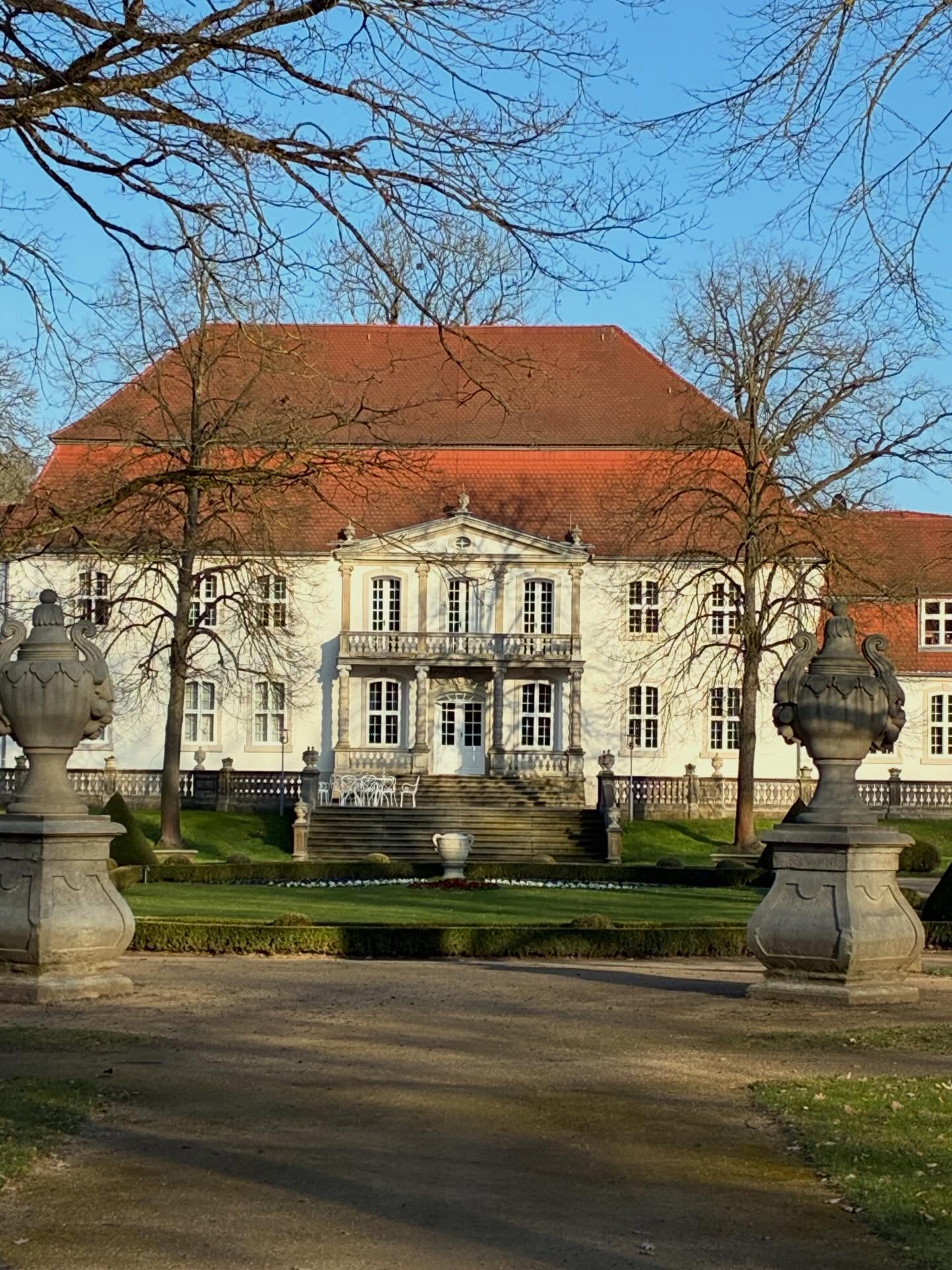
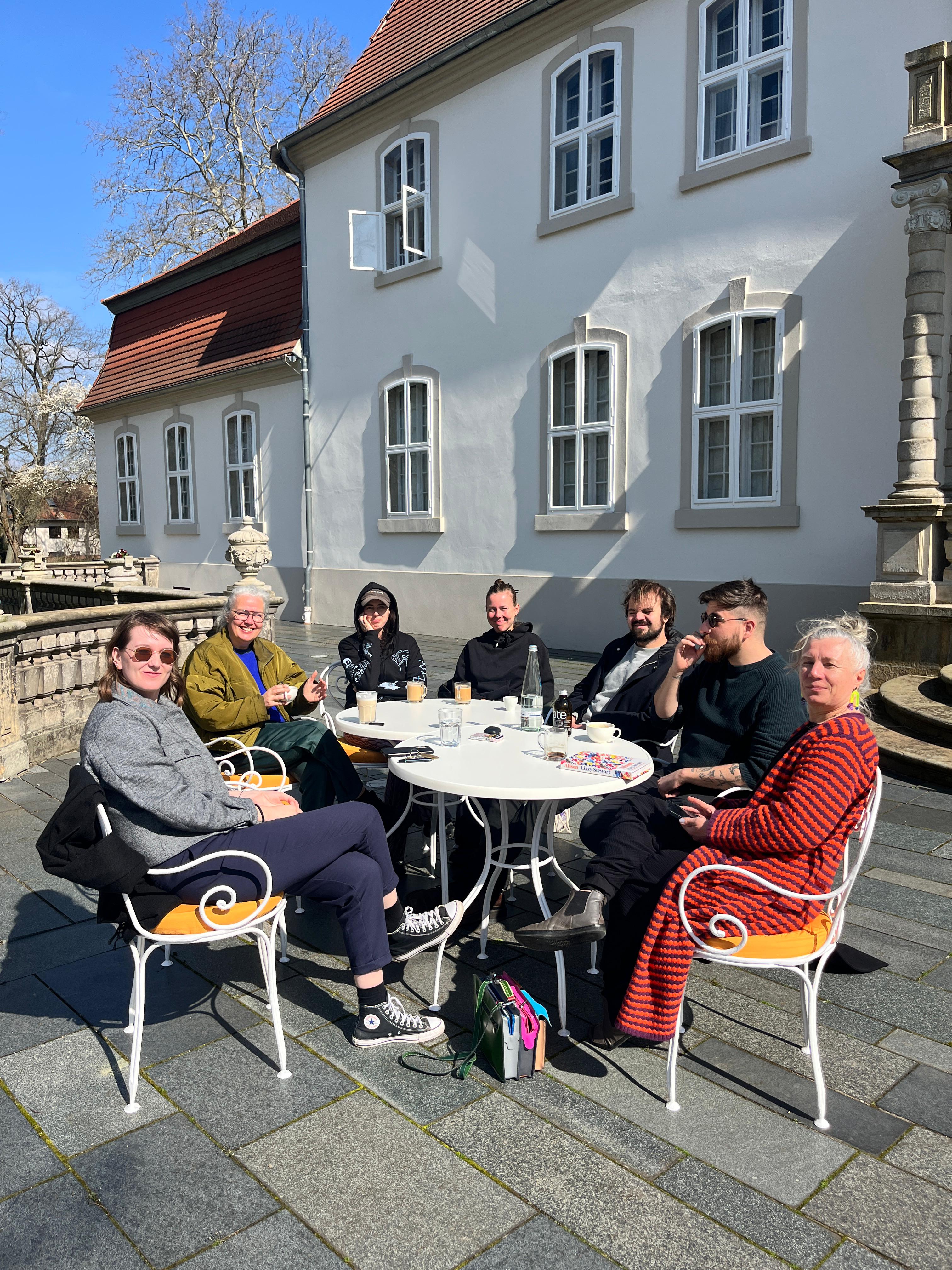
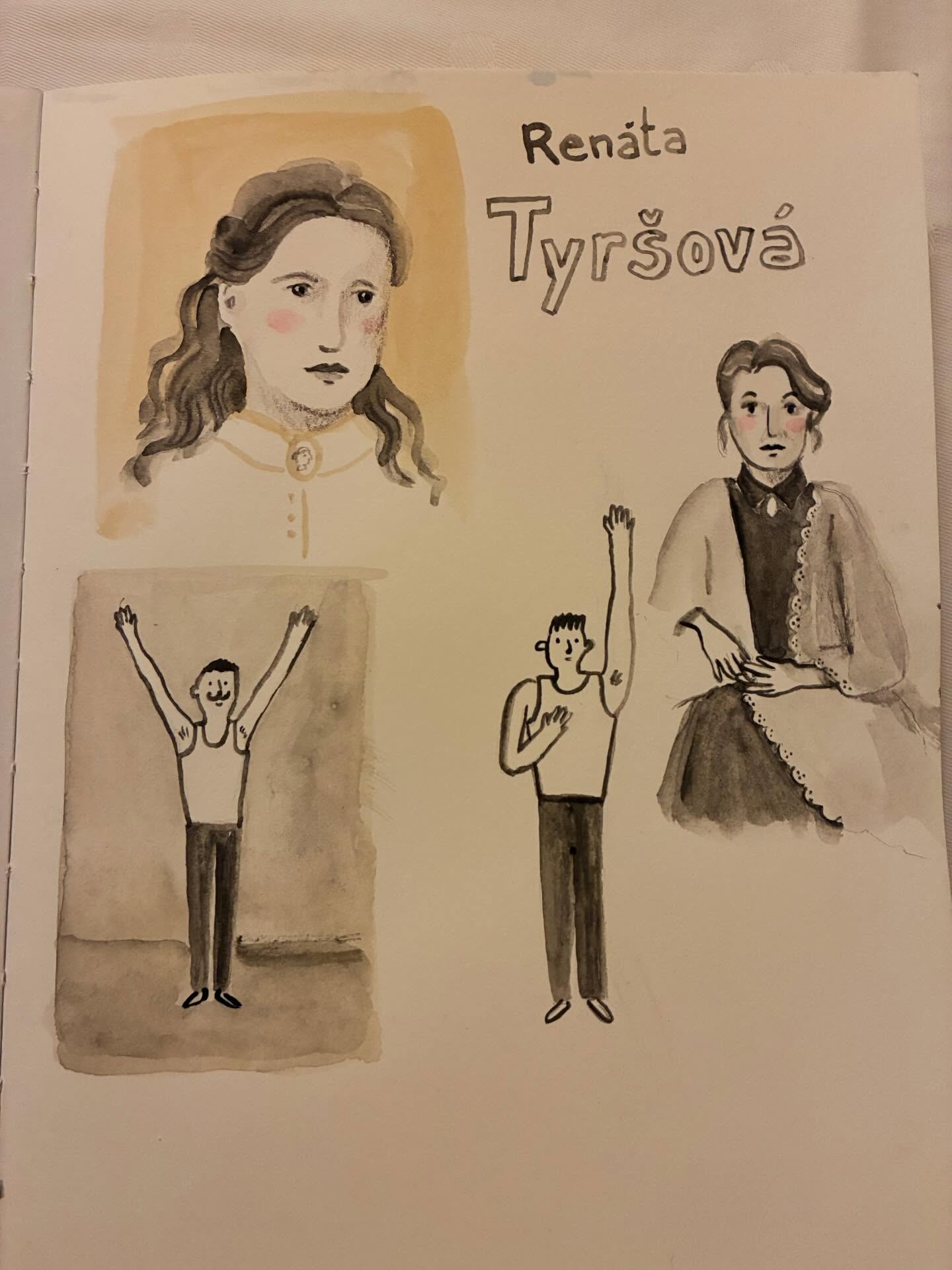
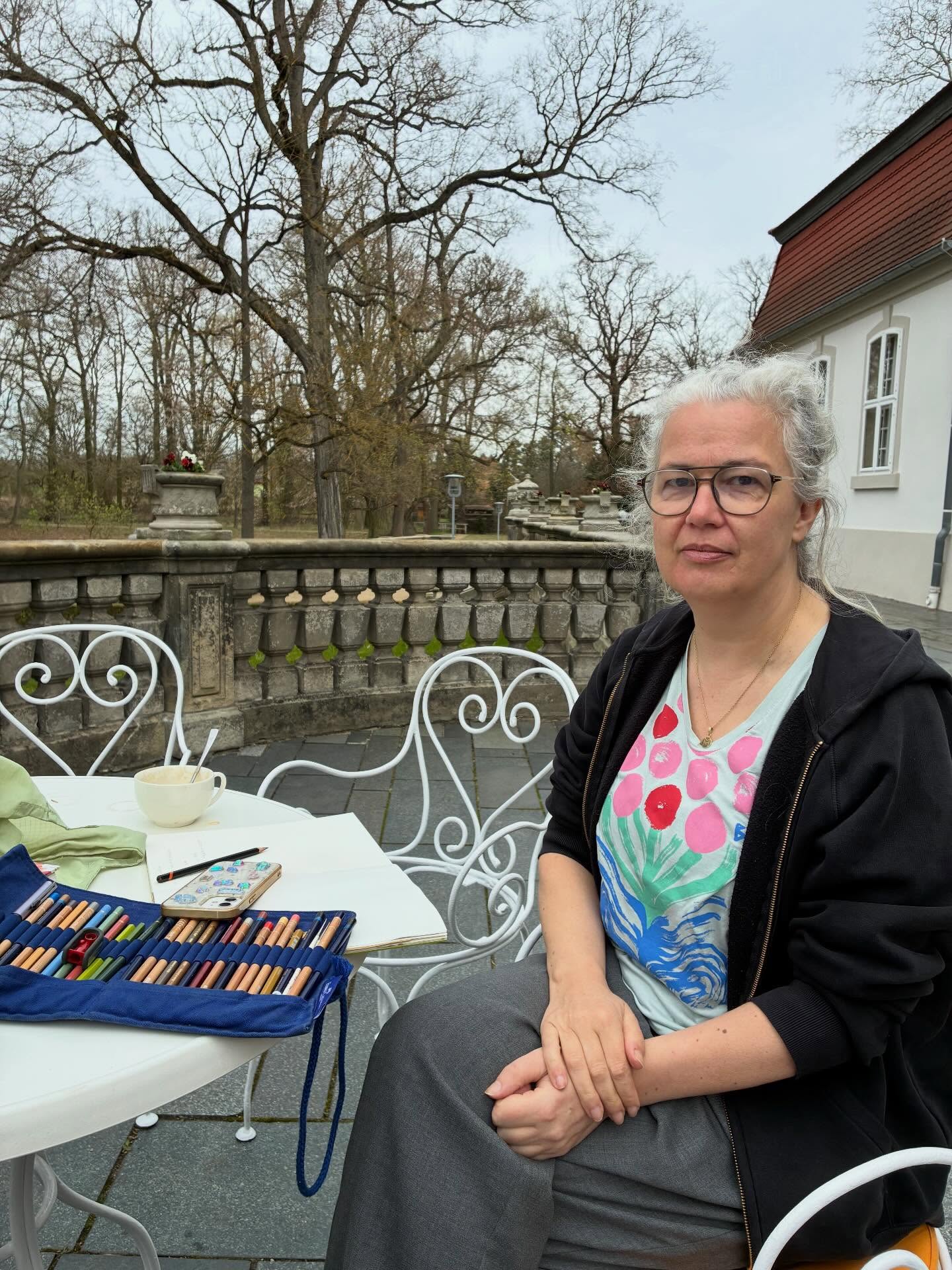
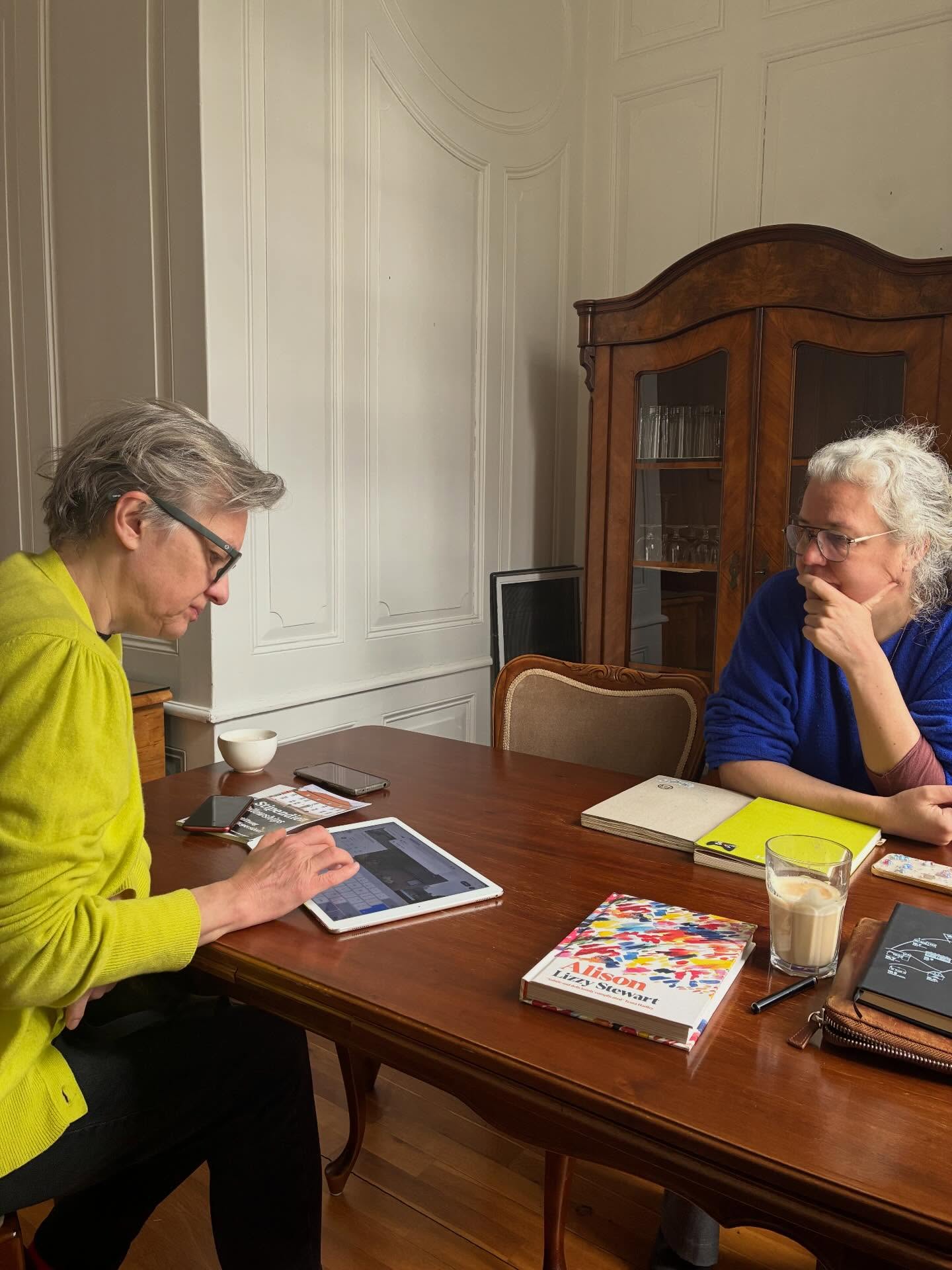
A two-week residency for four author duos is currently underway at Wiepersdorf Castle in Germany, where they are working on new book projects for children and young readers. The residency was established in collaboration with the Czechia2026 project, the Knižní lázně festival, and Schloss Wiepersdorf, with financial support from the Czech-German Future Fund. The selected author duos are: Lukáš Csicsely and Domik Tyl; Alice Krajčírová and Anna Kulíčková; Markéta Pilátová and Monika Hajek; Anna Štičková and Veronika Bílková.

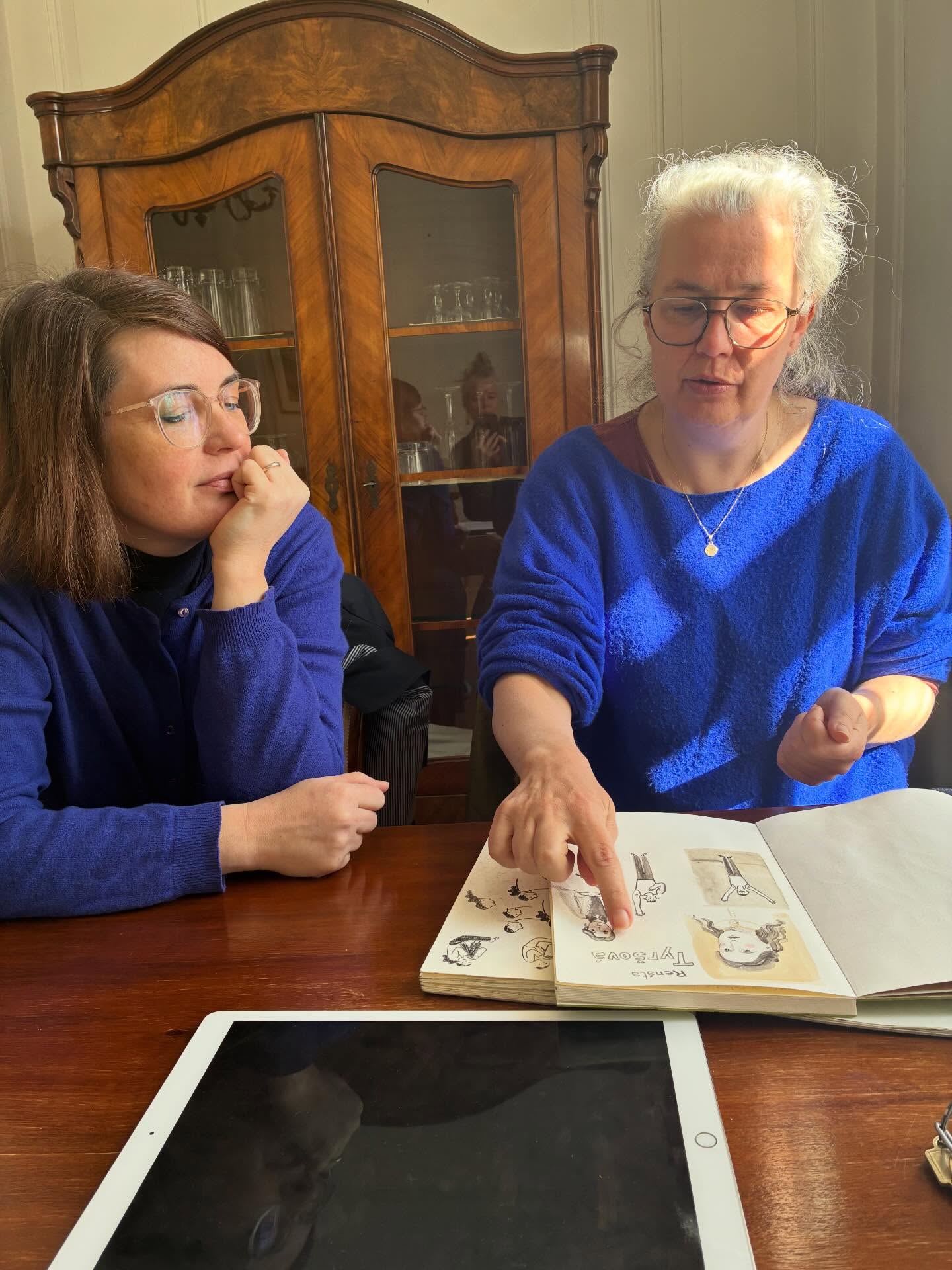
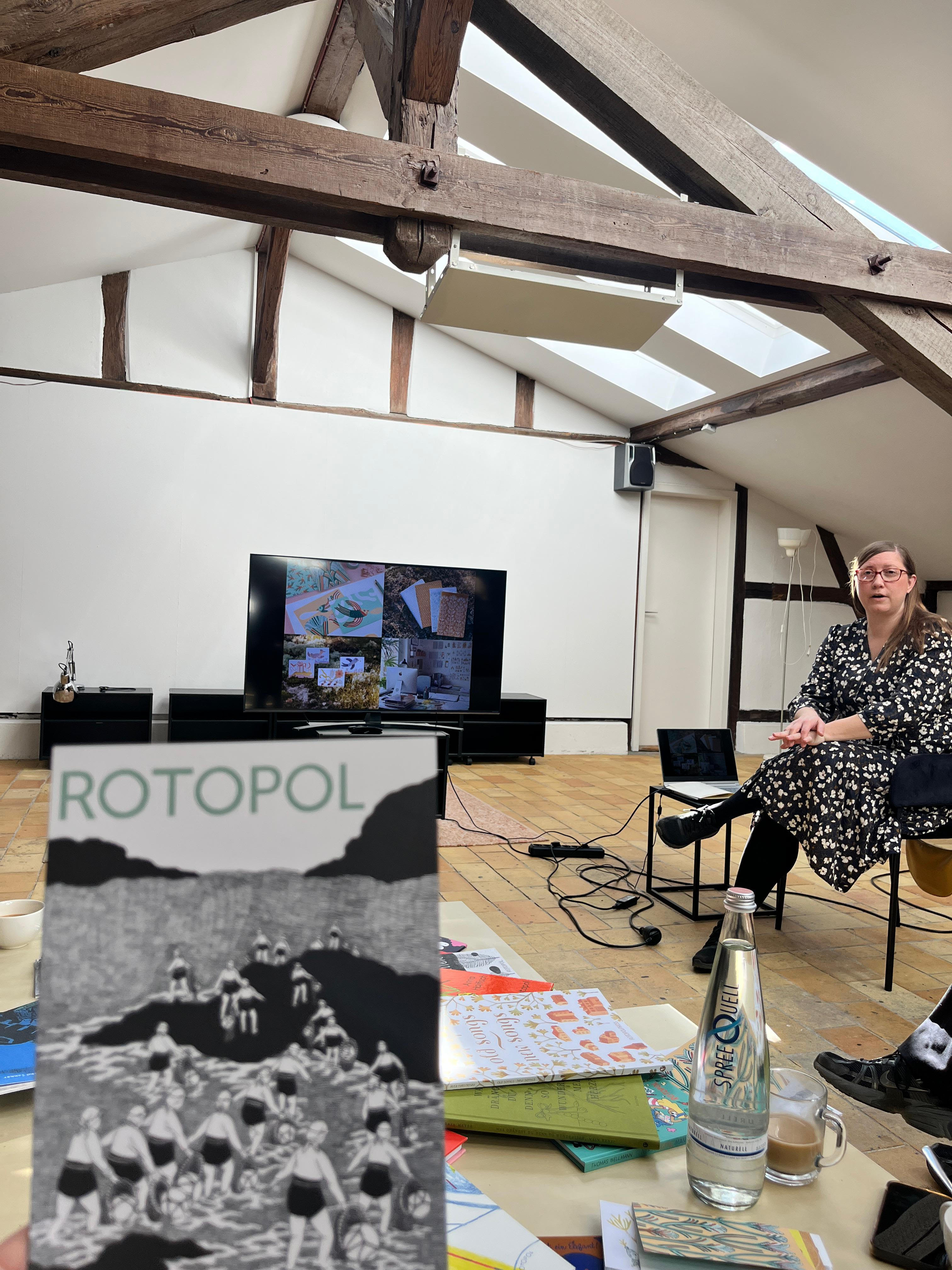
Participants had the opportunity to consult on their projects with Czech illustrator Michaela Kukovičová. This week, German author, illustrator, and publisher Rita Fürstenau, founder of the acclaimed publishing house Rotopol also visited the residency.

An expert committee selected the pair from among eight submitted applications. The committee consisted of Renáta Fučíková from the Dramaturgical Council of the Czechia 2026 project, Klára Khine representing the Knižní lázně festival, and Barbora Müllerová and Naděžda Bilinová from the Lustr International Festival of Illustration and Comics.

The Czech Republic at the Bologna Children’s Book Fair 2026: the national stand, a live drawing session with Marita Kelbl, and an exhibition of young female illustrators

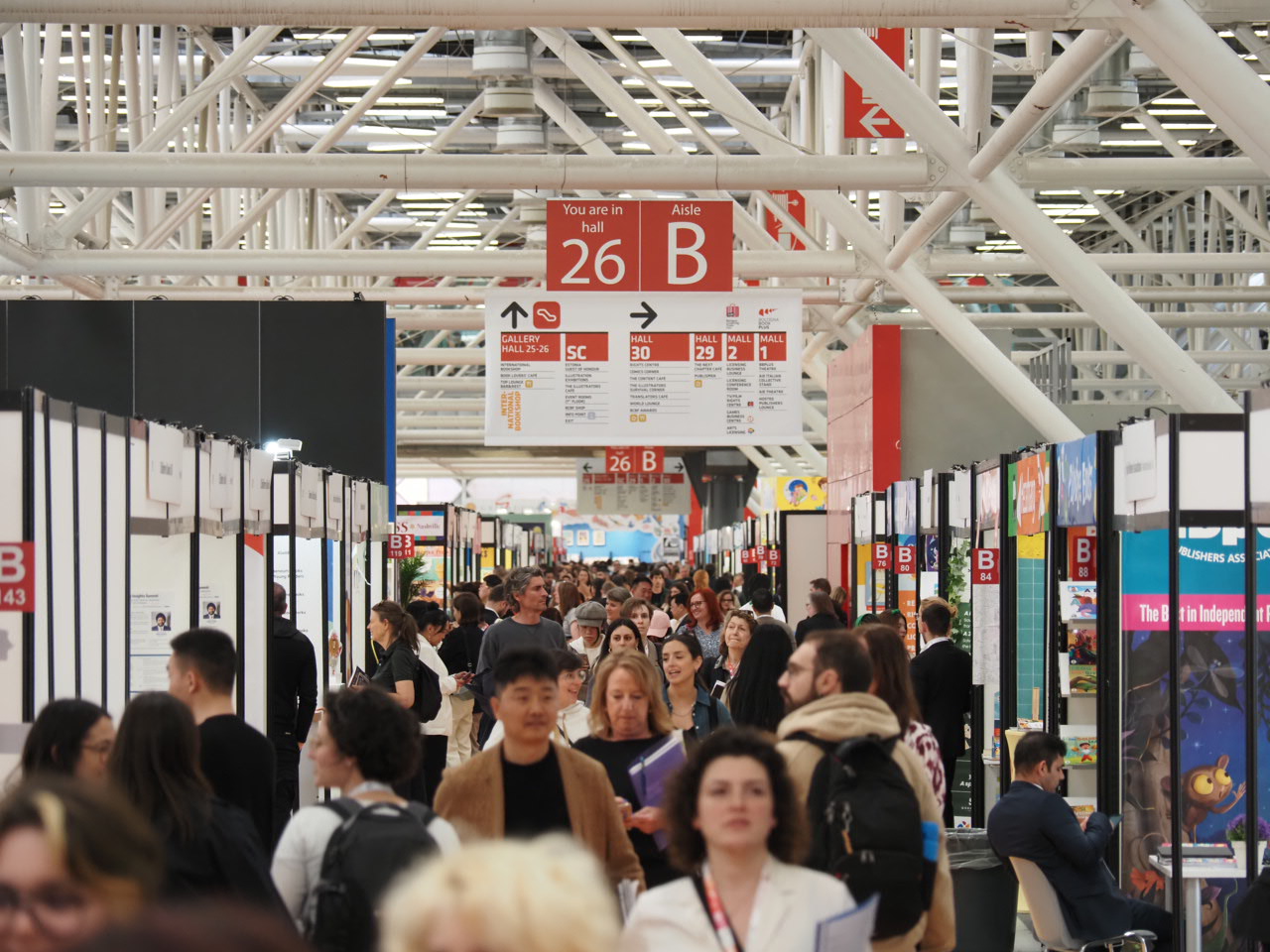
You will find the CZECHIA national stand in Hall 29. The Ministry of Culture of the Czech Republic has entrusted the Moravian Regional Library with its implementation. For the fourth year in a row, students from Prague’s UMPRUM are creatively contributing to the stand’s visual design with the support of the Czech Literary Center, under the expert guidance of Michaela Kukovičová and Juraj Horváth. Visitors will find the most interesting Czech book titles for children and young adults from the past five years, including award-winning publications, translated works, and titles recommended for translation. These include books from the publishers Baobab, Euromedia, Host, Labyrint (& Raketa), Petrkov, Slovart, and the National Gallery in Prague. This presentation is part of the preparations for Czechia’s Guest of Honour appearance at the Frankfurt Book Fair this October.

Representatives from the Prague Book Fair “Svět knihy” will also be in attendance in Bologna. The Ladislav Sutnar Faculty of Design and Art at the University of West Bohemia in Pilsen, as well as the publishing houses Albatros, Argo, Paseka, and Albi, will also have their own stands at the Bologna Book Fair.

Matchmaking GERMAN STORIES & CZECHIA / April 13, 2026, 4:30 p.m.

On Monday, April 13, in the afternoon, a “Matchmaking” session is scheduled for Czech publishing houses with German publishers of children’s and young adult books, who are exhibiting at the German collective stand German Stories in Bologna. They will discuss rights and licenses with representatives from the German publishing houses Oetinger, Kosmos, DTV, Monterosa, Moses, and ArsEdition.

Bologna Children's Book Fair 2025

GET TOGETHER AND DRAW WITH CZECHIA / April 14, 2026, 5:00 p.m.

The Frankfurt Book Fair and Czechia, as its Guest of Honour, will host a reception for international exhibitors at the German Stories booth on Tuesday, April 14, in the afternoon. The event will feature a presentation by Czech illustrator Marita Kelbl, who will draw live with the help of visitors to the publishing meeting.

Marita Kelbl (1996) focuses her work on poetic and playful illustrations for children’s books, comics, and original publications. Her works in Czech have been translated into German and Italian. She specializes in book illustration, combining a delicate style with a sensitive color palette and an emphasis on storytelling through atmosphere and detail. She collaborates with publishers and cultural institutions, for which she creates illustrations and visual concepts. She also organizes workshops for children and adults as part of extracurricular education in the field of visual arts.

Exhibition “Mamma mia?”

This exhibition of eight young Czech female illustrators explores the female perspective and lived experience. The title “Mamma mia?” uses its question mark to challenge established stereotypes, the expectations society places on women, and the status quo. Through the eyes of cis and trans illustrators, the exhibition explores notions of womanhood in the 21st century, but instead of a clear-cut answer, it offers a diversity of perspectives and a series of questions. The exhibition presents a variety of approaches, ranging from classic book illustrations and comic sequences to artist-made zines and paintings, as well as textiles and objects. The project documents how contemporary Czech illustration transcends the boundaries of the printed page and naturally extends into three-dimensional space.

Illustrators: Barbora Idesová, Jana Jarošová, Veronika Homolová, Marita Kelbl, Dana Lédl, Barbora Müllerová, Ilona Polanski, Barbora Tögel
Curator: Nadia Bilinová
Co-organizers: LUSTR Illustration Festival and the Czech Literary Center – under the auspices of the City of Prague

Opening: April 12, 2026 / 6:30 p.m.
Exhibition: April 13–16, 2026 / 4:00–8:00 p.m.
Associazione Parsec APS Gallery, Via del Porto 48 c/d, Bologna