

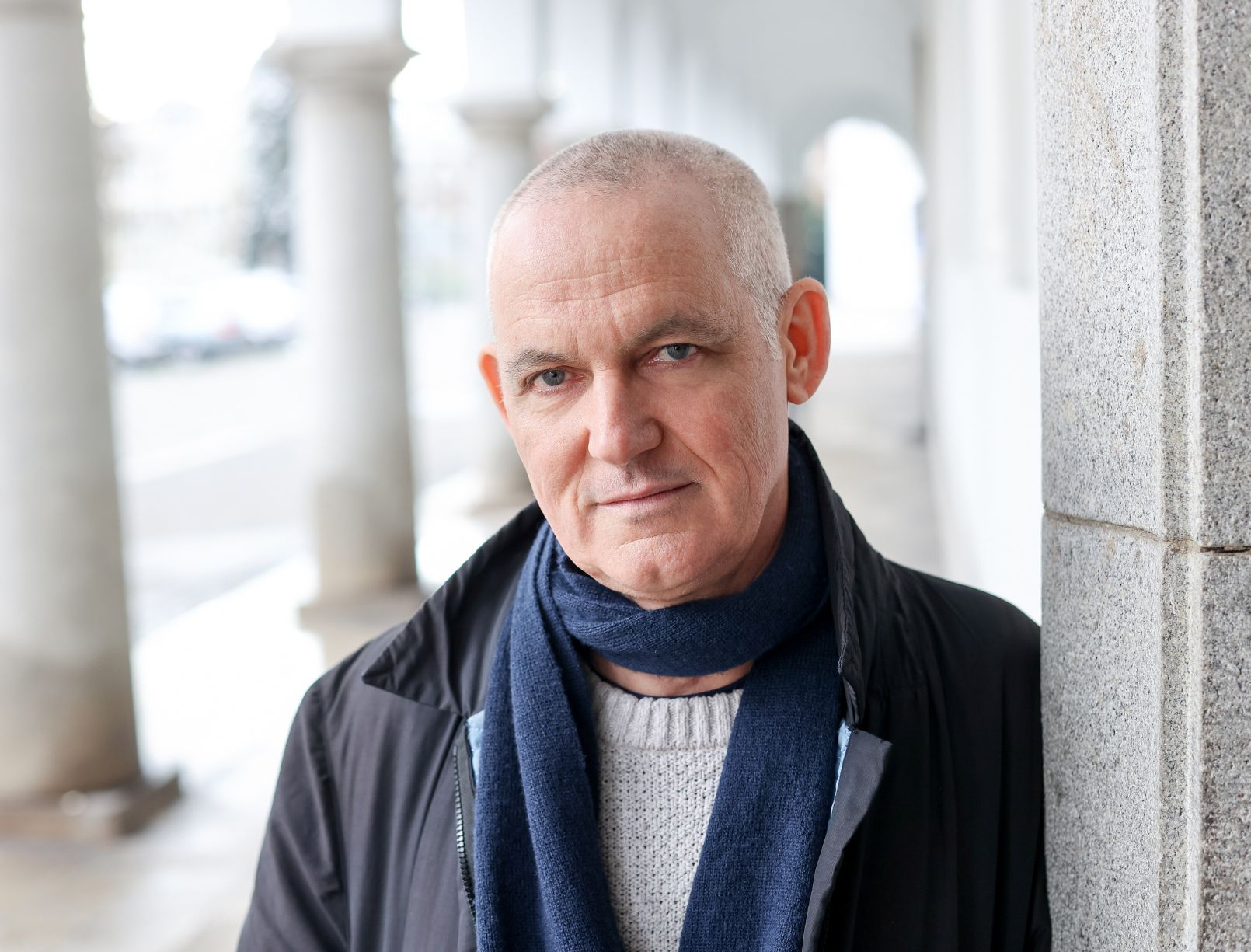
Jiří, your novel “Rybí krev”, which you will be presenting at the Leipzig Book Fair, was published fourteen years ago. Since then, you have written several other works of prose, as well as haiku, for example. How do you feel about “Rybí krev” today, and how do you talk about it with the benefit of hindsight? Can you still "empathize" with it, or are you, as the author, "somewhere else" now?
I have a somewhat sentimental relationship with this novel. The story takes place at the turn of the 1980s to 1990s in villages around Temelín and is set in an authentic time frame when the construction of a nuclear power plant was beginning. I knew the stories of the local people, as I once lived in one of the villages affected by the construction. Five villages in the area disappeared, people were evicted, and that is a powerful theme for any era. In my opinion, the specific stories of the people in the novel are still understandable today. But as the author, I am of course somewhere else now.
More than ten years after the book’s publication, it seems like a good moment to take stock. Would you do anything differently today?
There are a few things I would do differently today. But I think the stories of the people and villages around Temelín still work in the novel, even after all these years. After all, the book has been available in Czech bookstores since its publication in 2012. So it hasn't completely sunk without a trace.
What, specifically, would you change?
I write more economically now, so the novel might be shorter.
For the last two years, you have been working intensively on the screenplay for the film adaptation of “Dešťová hůl”. What stage is the project at now? I noticed that you are already looking for a cast. How did writing the screenplay differ from writing prose and poetry? And what can you reveal about the upcoming filming?
The miniseries “Dešťová hůl” is currently being filmed. I worked on the screenplay continuously for about three years. The director is Bohdan Sláma. Some of the plot lines from the original novel were not suitable for the film adaptation, while others I added and deepened some of the characters. I am curious myself to see how the story will look on screen.
You already have one film adaptation under your belt – “Zloději zelených koní” (Thieves of Green Horses). What convinced you to do it again? How is the creation of the new film different from the last one?
I didn't write the screenplay for “Zloději zelených koní”, I let the filmmakers adapt the novel in their own way. Now I'm in the role of screenwriter and I bear more responsibility for the result.
Is the reason you're writing the screenplay yourself because the result of the previous film didn't match your vision?
I imagined the film about moldavite hunters as a slow, balladic story that would make greater use of the possibilities offered by the novel on which it is based. But one of the reasons why I wrote the screenplay myself this time is that Bohdan Sláma is mainly an auteur filmmaker. He writes his own screenplays and doesn't like to adapt other people's works. He offered me the role of screenwriter.
"Dešťová hůl" concludes the so-called trilogy of moral unrest, but I have the feeling that in a certain sense you are continuing this theme in your latest novel, “Drak na polní cestě“(Dragon on the Country Road), where, among other things, you deal with property restitution and privatization in the countryside. Is social criticism something that is typical of your prose? Does literature serve as a way for you to formulate a critical view of society?
I work in the genre of social novels, I am a realist prose writer by nature, so a certain analysis of society is part of it. My latest novel could be classified as part of the aforementioned loose rural trilogy. In a sense, it follows on from the novel “Selský baroko” (Rural Baroque). It follows the further fate of a small village estate and the descendants of former farmers. Today, there is another reshuffling of property and capital in the agricultural business, and that is what the novel is about, among other things.
Did you know from the beginning that you wanted to write this type of prose? Or did you come to it while writing? And isn't "pigeonholing" rather restrictive?
I don't see it as pigeonholing; as a reader, I don't shy away from other genres, but I enjoy writing realistically. I feel strongest in that genre.
Your books are often set in the South Bohemian countryside. In an interview for Hospodářské noviny, you said that you are not offended by the label “South Bohemian writer.” What is it about the South Bohemian landscape that captivates you? And what does it still give you, even after so many years, both as an author and as a person?
My perspective is strongly local, as are the settings of my novels. I don't consider a certain locality – thematic, historical – to be a disadvantage. I try to transcend this by telling stories about people and places where I come from, and I always hope that stories from South Bohemia will also appeal to readers from other places with different experiences.
Do you also like reading local stories? What has caught your attention in recent fiction?
I follow my colleague and neighbor Jan Štifter, who also explores southern Bohemia.
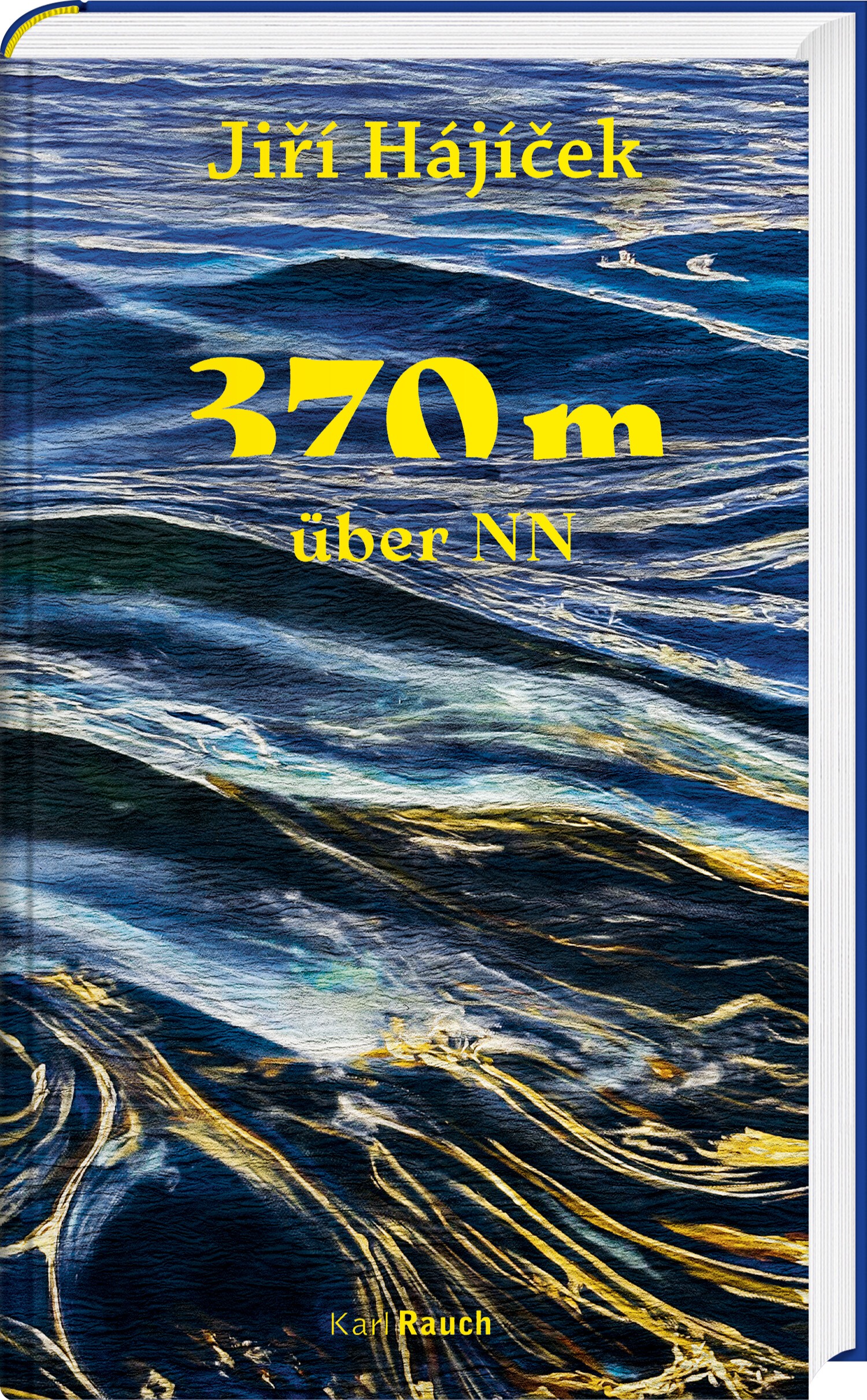
“Rybí krev” (Fish Blood) returns to the turn of the 1980s to the 1990s, to the time of debates about the construction of the Temelín nuclear power plant, and addresses the resistance that arose against the project. How relevant is the book today?
The theme of village displacement seems timeless to me; it is still happening today, only under different social and economic circumstances. Leaving one's home is always a powerful theme for writers. Back in the 1980s, the villagers had little chance of defending their cottages, and in the end they found that even the political upheaval did not help them preserve the villages slated for demolition.
How does this experience translate into the German context? To what extent is the theme universal, communicable?
I would be interested to know that too. Several reviews of the novel have appeared in German and Swiss newspapers, focusing mainly on the general human story behind the Iron Curtain at that time. So it's probably a bit exotic for Western audiences. I have several presentations in Germany coming up this year, and I'm curious to see how readers react.
Photo: David Peltán
The interview with author Jiří Hájíček was conducted by Karolína Tomečková.