

When translating, do you think more in images, meaning, or words?
When translating prose, conveying meaning is definitely the most important thing. When it comes to spatial descriptions, I want to understand exactly how things are arranged in space, so I have to visualize them in order to be able to describe them in German. The same images should arise in the minds of German readers as in those of Czech readers. Rhythm and sound also play a role in translation.
How has translating changed your own German?
I'm not aware that translating has changed my German, but when I'm working on a translation, I listen and read more actively than usual, with all my senses on high alert, so to speak. And sometimes it happens that the radio plays exactly the word I've been searching for the whole time. Sometimes I feel like I'm on a treasure hunt, and the German words are the treasures I'm looking for.
What do you love about Czech that you miss in German?
Czech is more flexible than German; sometimes just one or two letters in a word are enough to change the part of speech or create new meanings. German is usually a bit more cumbersome in that respect.
What are you currently working on and what will your next project be?
I am currently working on the adaptation of Jan Novák's novel “Děda,” which is inspired by the author's childhood. In the 1950s, a little boy experiences his constantly grumpy grandfather, the “děda,” and learns from his mother what happened to his grandfather during the collectivization of agriculture, when his fields and animals were taken away from him. And he sees the former farmhand whip his grandfather. The boy decides to avenge his grandfather, but of course it doesn't work out as easily as he had imagined. The novel tells of a difficult time full of injustice, but it is written with a great deal of wordplay and a sense of absurd humor. Because perhaps there are more than enough absurdities, especially in difficult times.
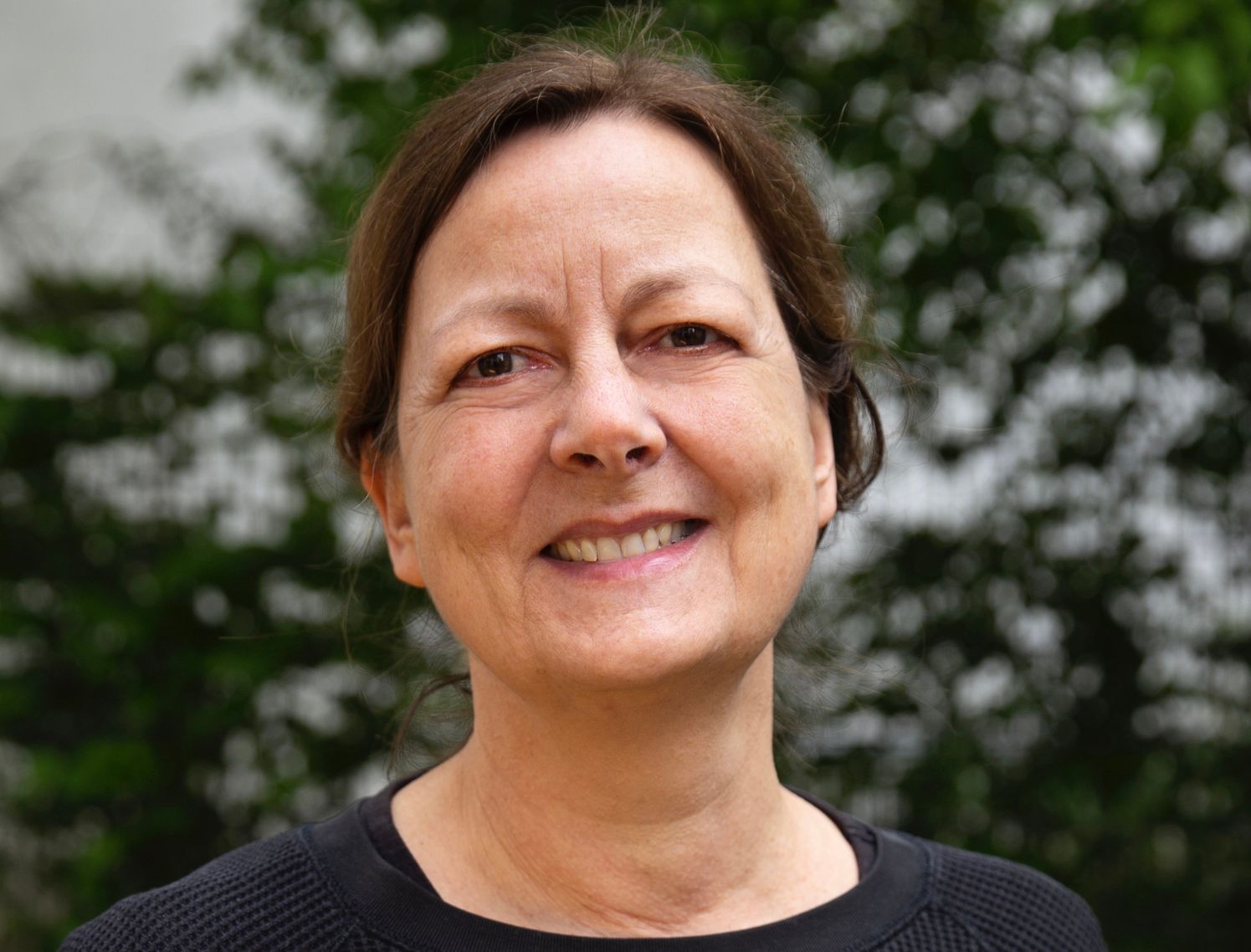
Christina Frankenberg studied Bohemian Studies at Humboldt University in Berlin and Charles University in Prague and earned her doctorate with a thesis on “The Image of Germans in Czech Prose after 1945.” As deputy director of the Czech Center Berlin, she is responsible for the cultural institute's program, particularly in the areas of literature, film, and Bohemian studies. She translates contemporary prose and texts from the genres of literature, art, and history. Her translations are published in book form and in magazines. She regularly moderates author readings and discussions for book fairs, film and literature festivals, and other events.
The interview was conducted by Annika Grützner.