

Let me start with a somewhat provocative question: who does Franz Kafka "belong" to?
To readers. I understand that you are referring to the long-standing dispute between the Czech and German sides, but I think it is important to read Kafka's texts, and that is not really happening. Everyone knows that Gregor Samsa wakes up one day as a giant beetle, but who has read „The Metamorphosis“? People know the story of his will, but the students I teach today are unfamiliar with Kafka's novels and short stories and, with a few exceptions, have never read them.
Why does Kafka still attract us so much even after more than a hundred years?
I don't know if he attracts us; I'm afraid not. Kafka is more like a picture of Švejk in every other pub in the city center. We don't read Hašek either, and we go to see Kafka more to look at his bust near Národní třída. He attracts us as a concept, not as an author whose texts move the world.
Much has already been created about Kafka: films, books, academic works, exhibitions... How is „Rok proměny“ different – what does it bring that is new?
I don't know if literature necessarily has to bring something new; on the contrary, I perceive it as powerful in examining the old. I hope that the book differs from other artistic statements on a similar theme in its intimacy. The book is an insight into the author's mind a few months before he wrote what is probably the best short story of the twentieth century. I sought to listen to the author with the support of diaries and historical materials.
The blurb says, "A fresh take on The Metamorphosis." What exactly should readers expect?
It's not just a story about a writer who can't write. And about the world and his father. And maybe it is, but in a different way. That's where the freshness lies, I hope: not in a scandalous story that everything was different, but in an unobtrusive insight into a familiar story in an expected setting.
The word "Kafkaesque" is associated with Kafka. Have you ever experienced an absurd situation where you felt like you were in one of his novels?
I think it's a somewhat overused term. Absurdity is all around us from morning to night, I don't limit it to situations and I don't perceive it as something negative. I think absurdity is great fun, necessary and welcome in life.
In your opinion, what makes Kafka most relevant today?
The theme he discovered for literature, namely the relationship, or rather the tension, between institutions and individuals. For me, this is more powerful in today's world than it was a hundred years ago.
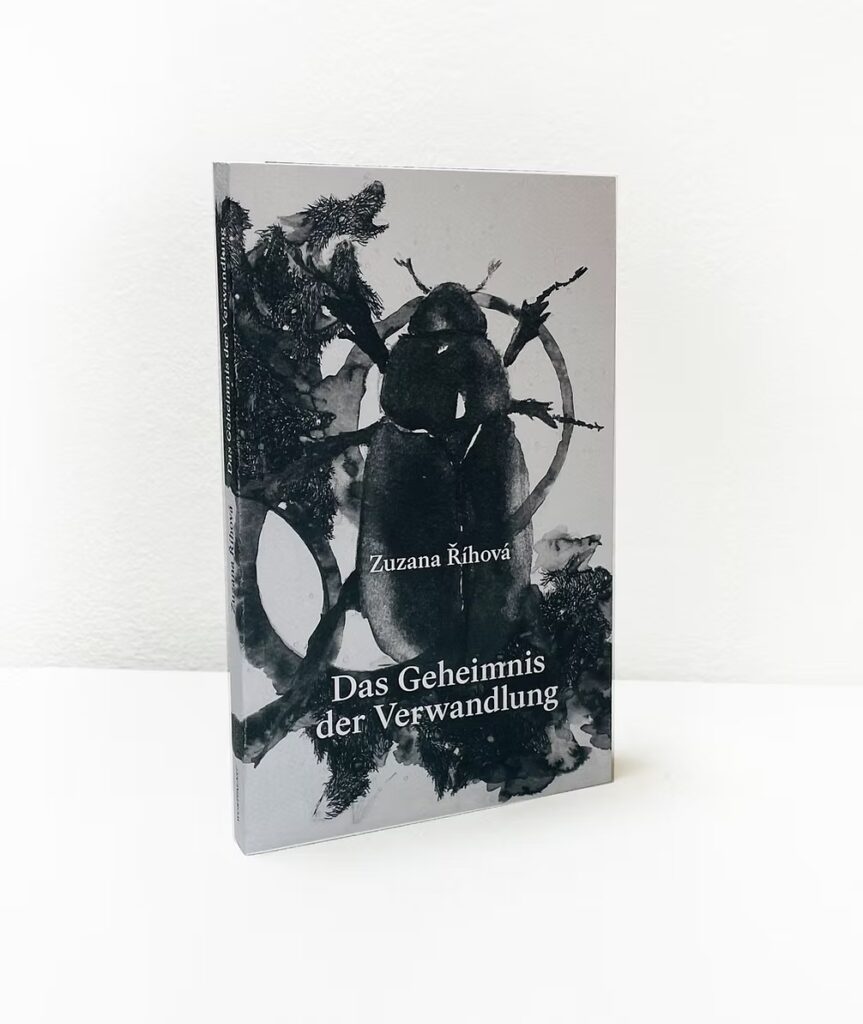
The German translation of „Rok proměny“ was published last year—what was the reaction like? Was it different from the Czech reaction?
Abroad, there is a different tradition of discussions with authors, so the reaction is different in that respect. People still want to talk to me. But the book was not published by a large publishing house and did not, or rather has not yet, received such a response. There is one difference, however: the Czech environment seems a little oversaturated with Kafka, while Germans still want to hear and read more and more about Kafka.
What did you draw on and how did you work with the material?
The preparations were a bit like preparing for a lecture—detailed reading of artistic texts, knowledge of the historical context and secondary literature—and then imagination could come into play. Whenever I work with correspondence or diaries, I feel a sense of shyness. Perhaps that feeling helped me with the delicacy of the text; I was very careful not to commit any vulgarity in the sense of abusing, exploiting, or ridiculing such personal statements.
Is there any other literary figure you would like to "immerse" yourself in similarly?
No, Kafka was an exception. I circled around him both scientifically and as a reader, then I somehow explored him in the fictional world, and that's enough. I just finished a novel based on the preserved letters of a girl imprisoned in Terezín. Now I am consciously and necessarily taking a break from real stories and real personalities. From now on, I will only be making things up.
And finally: what are you working on now?
Right now, I'm happily, freely, and wonderfully inventing. I have two chapters of a new text, and I feel incredibly comfortable in this fictional world—in the evenings, I can't wait to immerse myself in it. And that's a good sign, let's not jinx it. Maybe in a few years, it will turn into something tangible, with page numbers, we'll see.
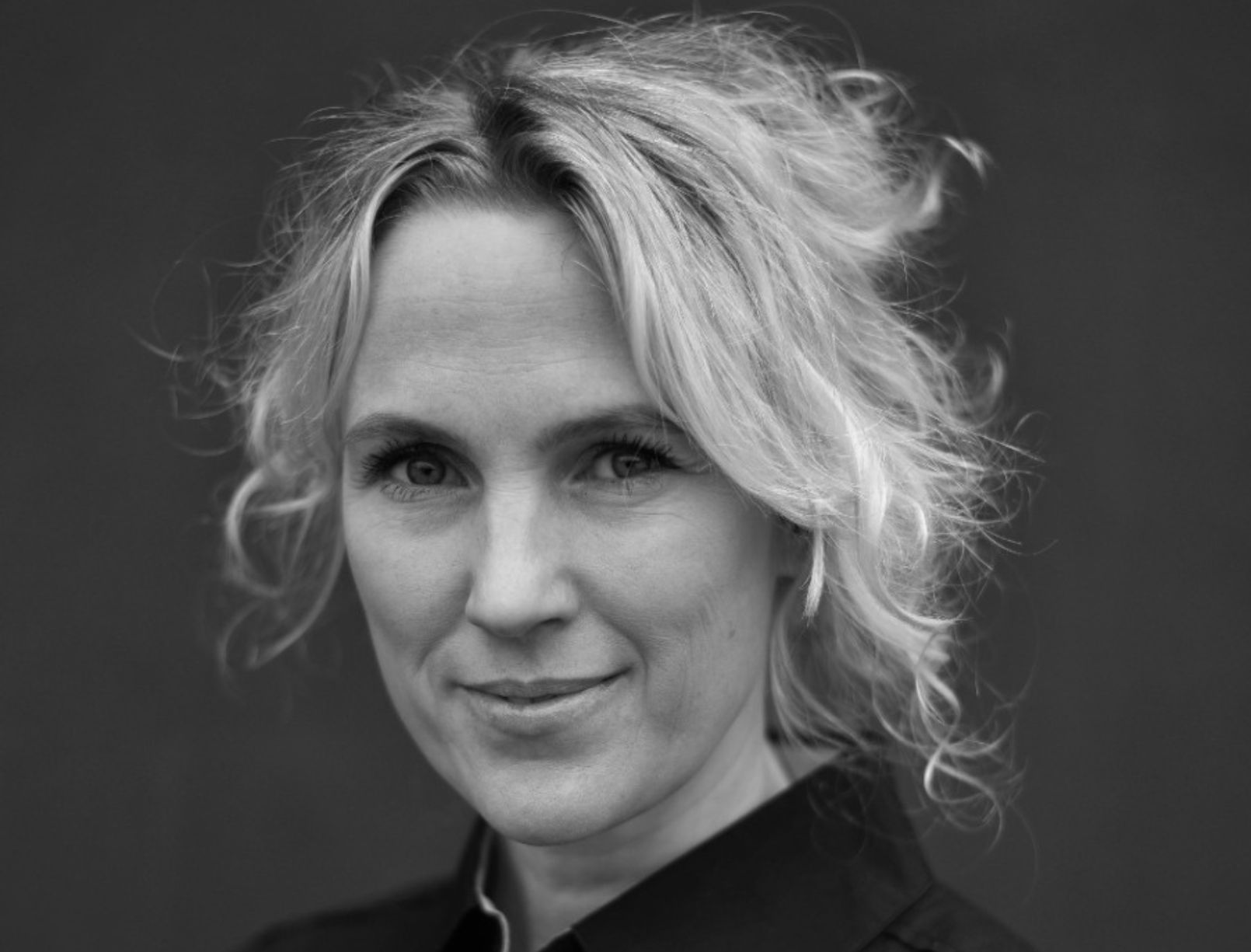
Introductory photo: Miloš Urban
The interview with author Zuzana Říhová was conducted by Karolína Tomečková.