

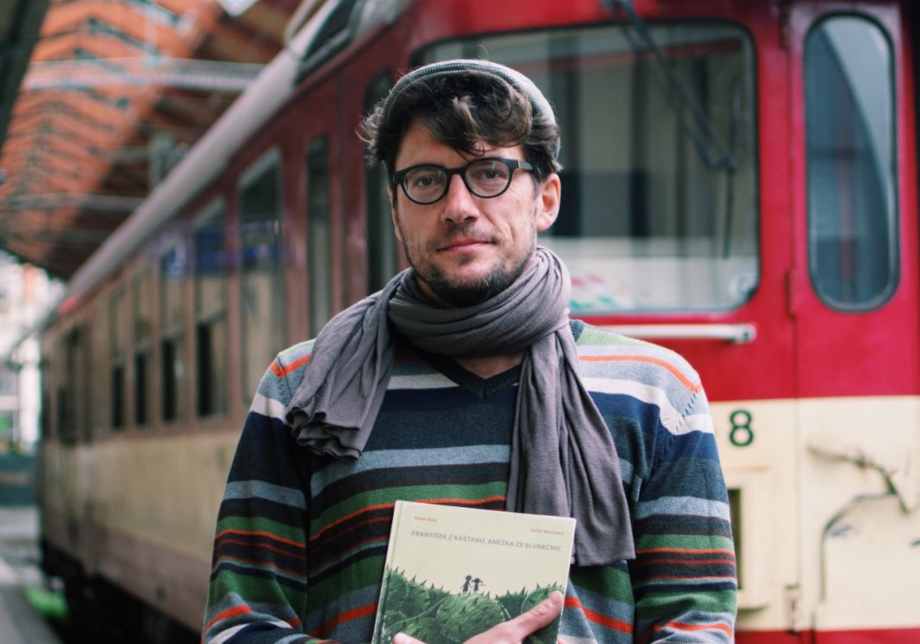
You are a poet, playwright and author of children’s books. Where do you draw your inspiration from? How do you decide what your next text or topic will be?
For me, inspiration is usually not a sudden idea that comes out of nowhere. Rather, I observe things over a longer period of time that unsettle me, fascinate me or that I do not quite understand. These can be animals, a landscape, a historical event, an old photograph, a strange word or a forgotten human story. I take a lot of notes – in notebooks in the past, and often on my phone today – and some of them wait for years until I figure out what they actually belong to.
The different areas of my work also constantly overlap. I do not see the diversity of my work as something that can be divided into separate fields. Poetic thinking can find its way into a non-fiction book about animals, while historical research can in turn become the starting point for a poem or a story. So I often do not consciously choose my subjects at all. Rather, at some point I realise that I keep returning to something – and then, at a certain moment, I understand that it could become a book.
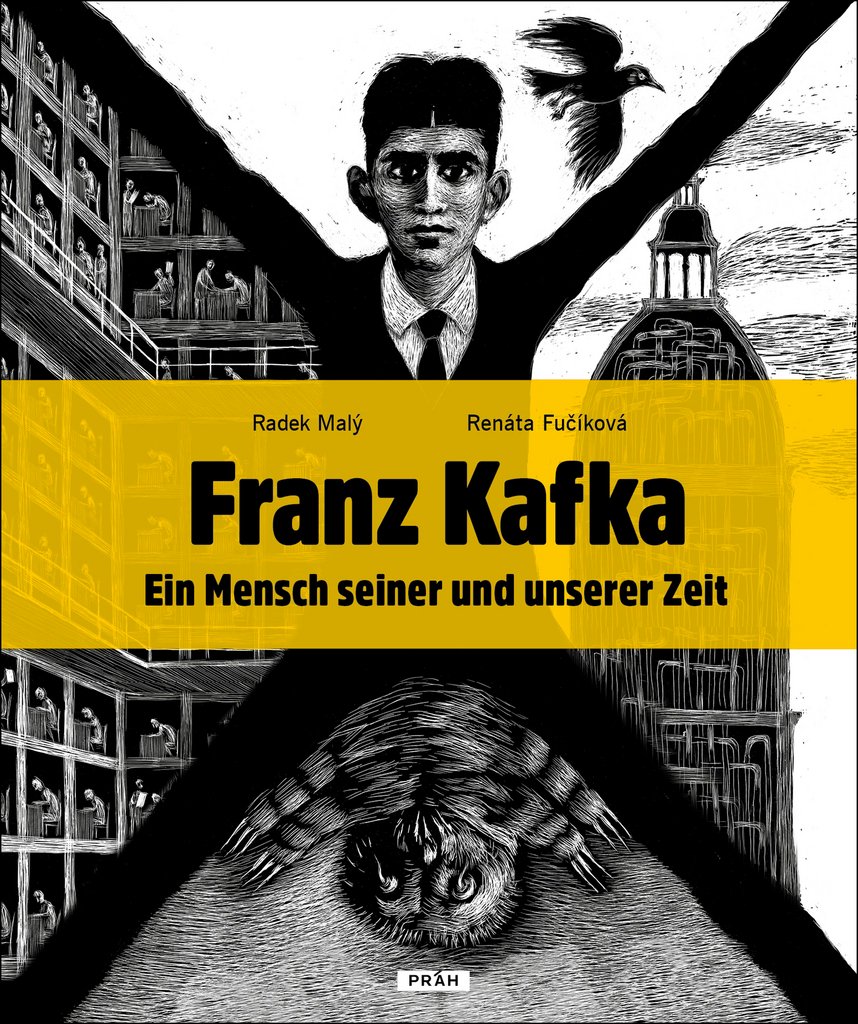
Together with the illustrator Renáta Fučíková, you published a book about Franz Kafka. How did the collaboration come about, and what was it like?
I approached Renáta Fučíková because of her outstanding work in the field of educational illustration. As a Germanist, I have been studying Kafka for a long time, and I wanted to create a book that would introduce him to younger readers in a different way than as an untouchable icon of world literature. I was interested in what kind of person he was, what Prague he lived in, what relationships he had, what he was afraid of, what brought him joy – and, of course, how his literature emerged from this life.
That is why the visual dimension was extremely important to me. We did not want to create an illustrated textbook. Text and images were meant to tell the story together, sometimes taking slightly different paths. I tried rather to demystify Kafka and stick to the facts, while Renáta’s illustrations could open up space for metaphors, mysteries and different interpretations. We also presented some of Kafka’s texts in the form of comics, while others were introduced through excerpts from his stories.
I believe that the tension between the factual-documentary and the artistic levels is one of the book’s strengths. Our collaboration continued later: During the “Kafka Year” in 2024, the book formed the basis for the internationally successful exhibition Franz Kafka: A Man of His Time and Ours.
You also translate texts into Czech. What are the biggest differences between German and Czech?
German and Czech are surprisingly close, not least because of the centuries they have spent coexisting, while at the same time functioning in very different ways. German can form extremely precise terms by combining words, and its syntax makes it possible to construct long sentences like architecture, in which the meaning sometimes only becomes fully clear at the end. Czech is more flexible thanks to its declension system and freer word order. Words can be moved around within a sentence, allowing emphasis, rhythm and emotional colouring to be altered very subtly.
For a translator of poetry, sound is also crucial. German has a different rhythm, a different word structure and a somewhat different tradition of rhyme than Czech. Translation is therefore never a mechanical transfer of meanings. I have translated Georg Trakl, R. M. Rilke, Paul Celan and Goethe’s Faust, for example, and each time I had to find, in a sense, a different Czech that could produce an effect comparable to that of the original.
A translator finds themselves in a paradoxical situation: they have to be creative, but their ideal is to remain as invisible as possible. The reader should not admire the translator, but rather have the feeling that a foreign-language author is speaking to them in Czech.
You teach creative writing at Charles University in Prague. What advice do you have for aspiring writers and copywriters?
My first piece of advice is simple: read. Read a lot and read different things, including books you would never write yourself. Without reading, your own writing can very easily become enclosed within the world of your own ideas; at the same time, the necessary feel for language can hardly develop and become refined.
My second piece of advice is to actually write rather than necessarily waiting for inspiration. Talent is important, but writing is also a craft. You have to learn how to shorten a text, rewrite it, put it aside and return to it after some time. That is why I consider the joint discussion of specific texts so important when teaching creative writing. Authors have to learn to accept feedback, while at the same time drawing a line and recognising which criticism they should not accept.
And my third piece of advice may sound paradoxical: You should not try to become a writer too quickly. First, you need something that is genuinely worth communicating, and you have to find your own way of expressing it. The same applies to children’s literature. A child is not a less intelligent adult. When writing for children, we should not talk down to them, but speak to them as equal partners.
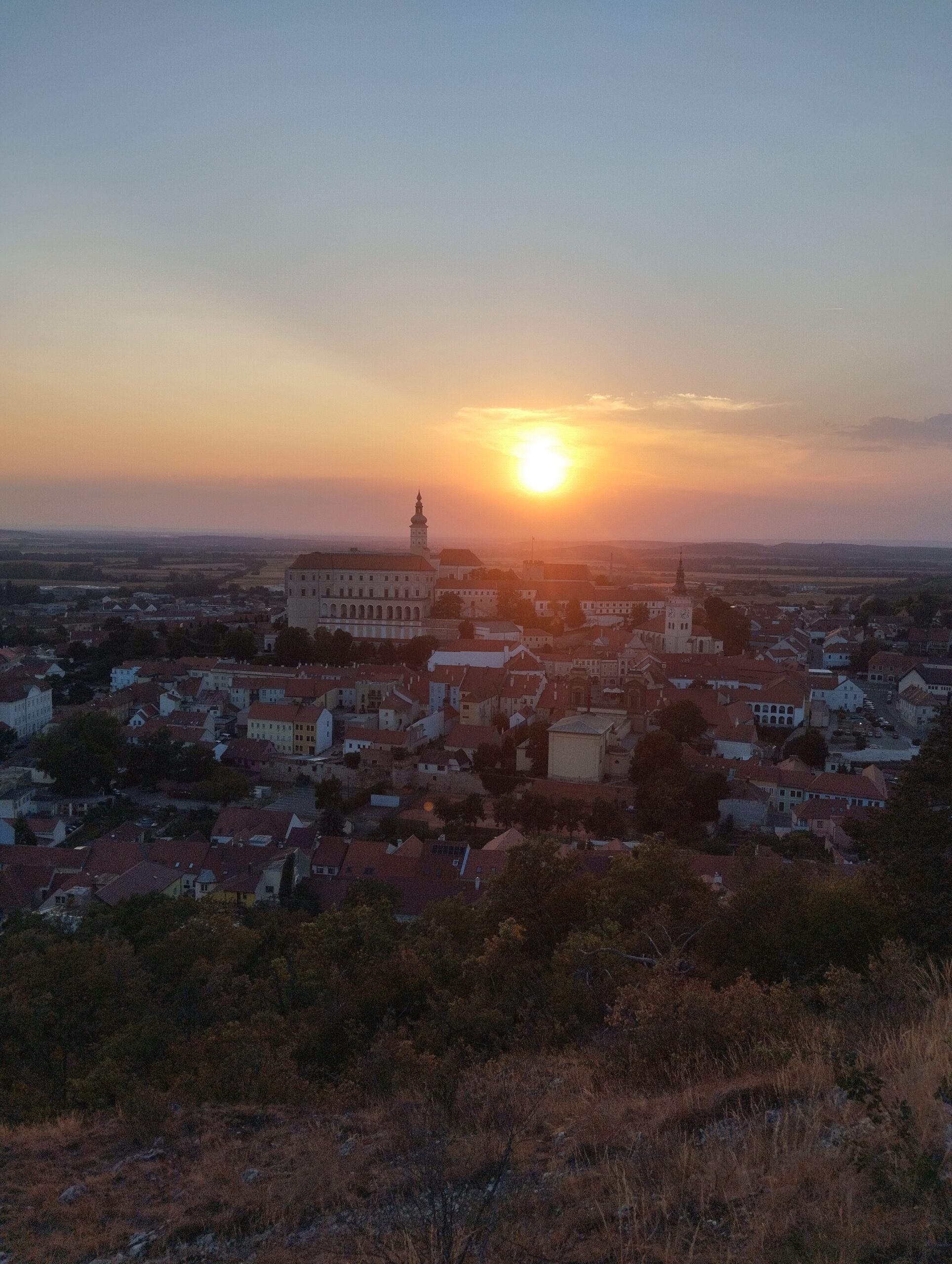
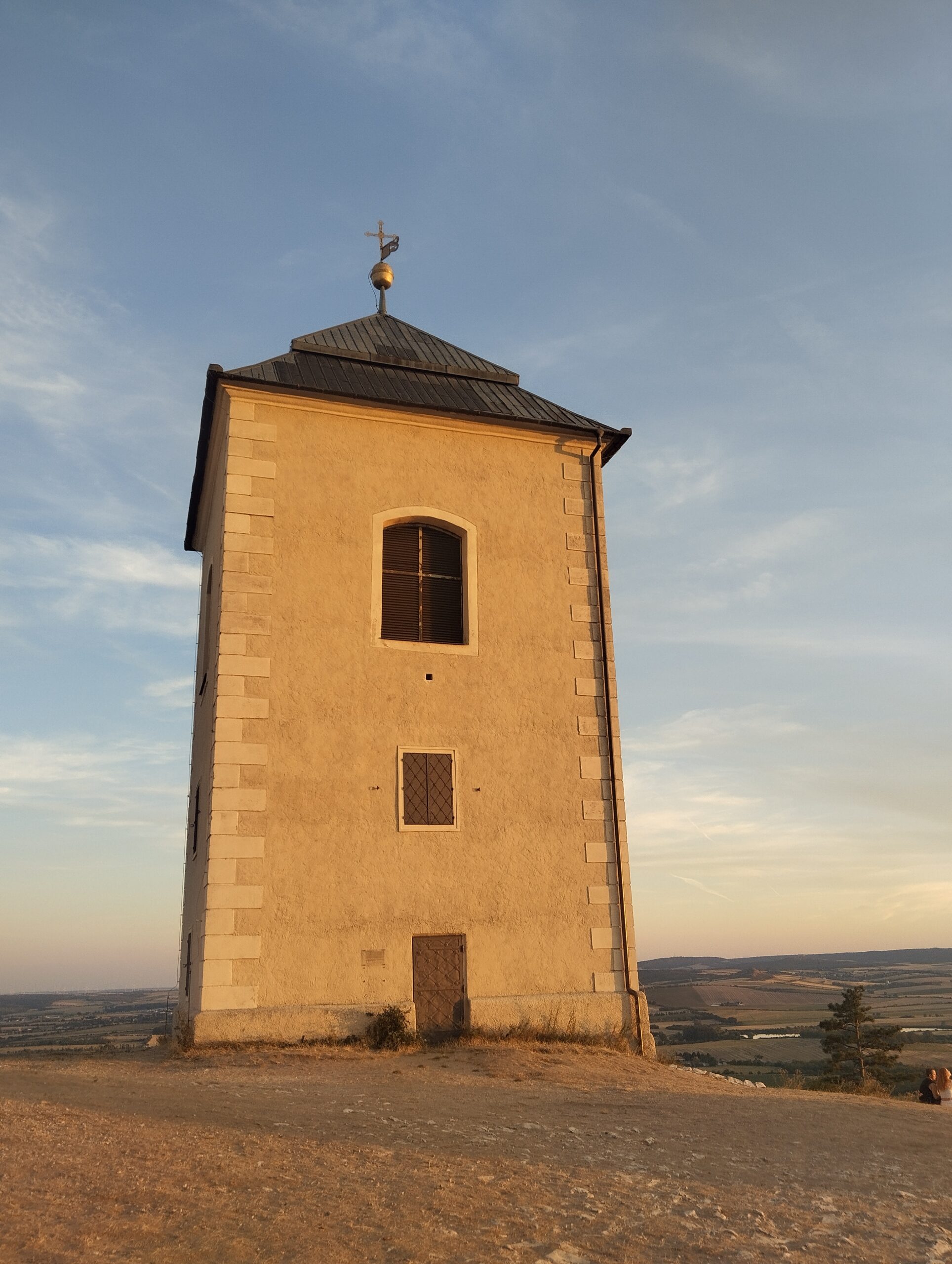
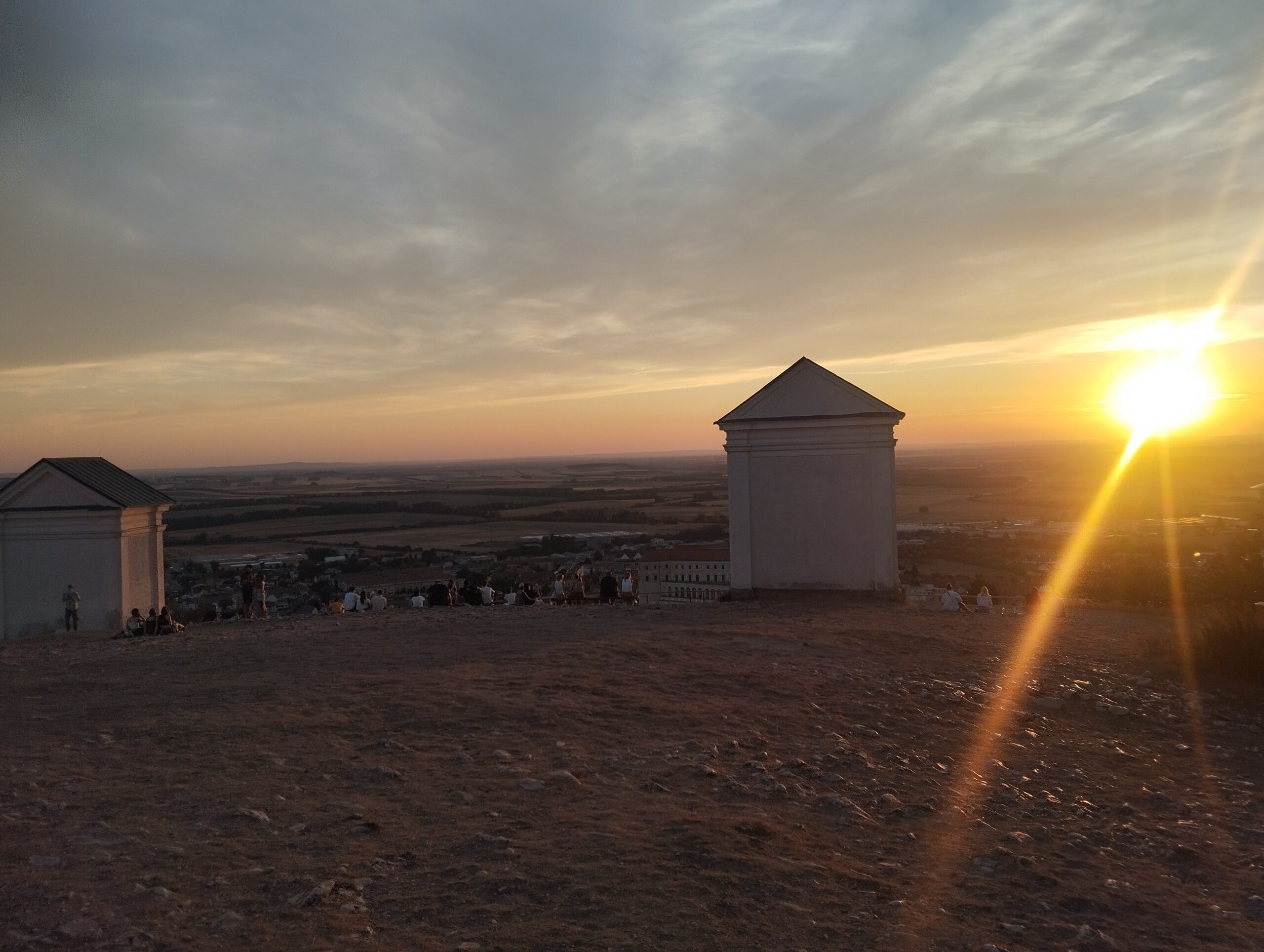
You are currently in Mikulov to write and work as part of an Artist-in-Residence programme. What does your daily routine look like? How long will you be staying here?
For me, a residency primarily means having the opportunity to step out of my usual rhythm for a certain period of time. At home, writing constantly has to share my time with teaching, translation and other commitments. Here I can concentrate on several projects that require more time and peace and quiet.
However, I cannot sit at a computer and work for eight hours. I have to walk. Mikulov is ideal for this: the town has an extraordinarily rich history, and the landscape around it is so distinctive that it forces you to look closely. That is why I do not see walks as an interruption to my work. Often, they are part of it. I make a note of something, take a photograph and later return to the actual writing. I mainly work during the day, and in the evening I try, if possible, to let the text rest for a while.
I am spending the entire month of August in Mikulov. That is long enough to stop feeling like a tourist, while still being short enough to remain aware that you are somewhere different from home.
Your book The Great Book of Endangered Animal Species has also been published in German. How did this book come about, and what would you like to convey to young readers?
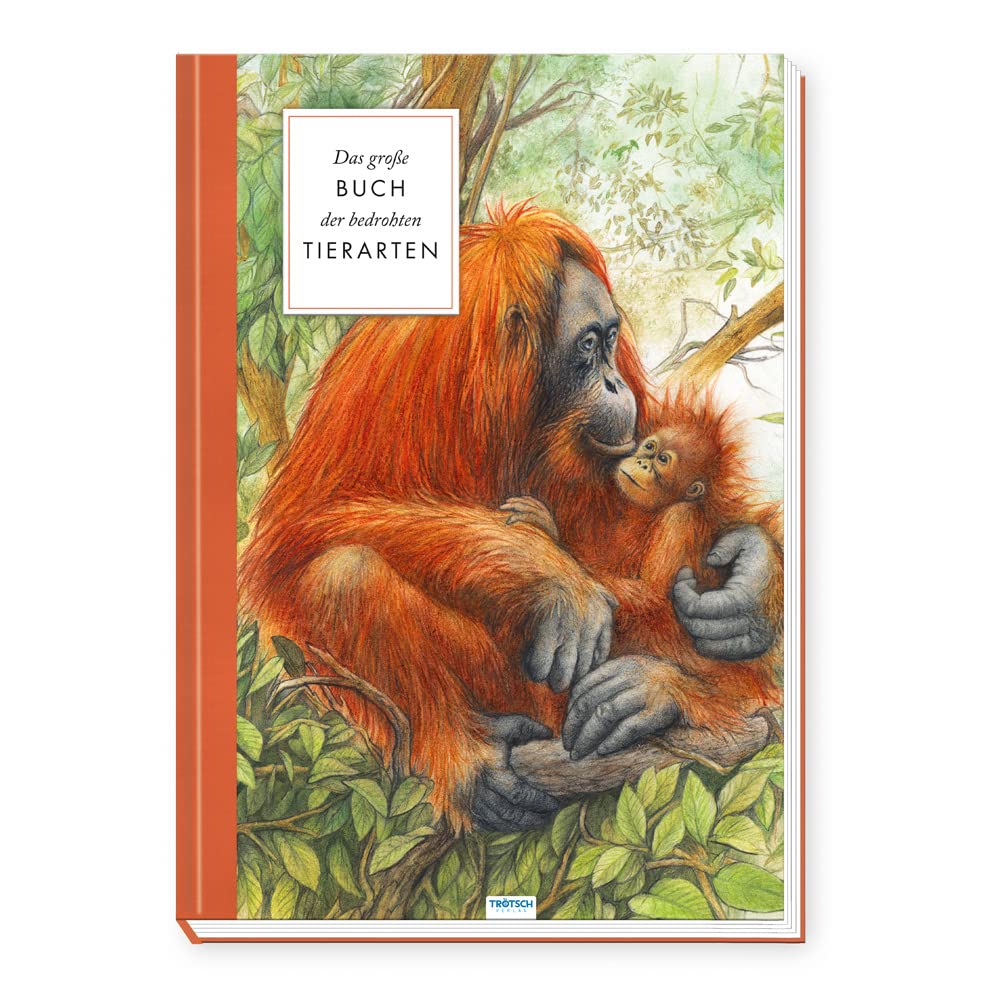
The book is part of a series that also includes an atlas of extinct animals and an atlas of prehistoric animals. I did not want to write a classic atlas in which endangered species are merely described in terms of their size, distribution and way of life. I was interested in their stories – and above all in the stories of their relationship with humans.
That is why I selected several dozen species from different parts of the world. Their fates illustrate very different causes of endangerment: the destruction of natural habitats, hunting, the animal trade and climate change. I find those cases particularly fascinating in which human efforts have succeeded in saving a species.
It was important to me not to lecture. Humans are part of the problem, but they can also be part of the solution. The children who are reading this book today will, in a few decades, have a say in what our world will look like. And I believe that the first prerequisite for wanting to protect something is to get to know it and become interested in it.
Of course, I am delighted that the book has also been published in German by the renowned Trötsch Verlag. As a Germanist and translator, the German-speaking cultural sphere has been very close to me for a long time, so the German edition is not simply one of many translations of my books into other languages.
What are your current literary recommendations for readers who would like to delve deeper into Czech literature?
Czech literature is very diverse today, so rather than recommending a single book, I would suggest exploring several different paths. In contemporary prose, I would definitely mention Radka Denemarková, who deals with major social and historical themes, as well as Vratislav Maňák, whose reportage collection S Wittgensteinem v gaysauně (With Wittgenstein in the Gay Sauna) has rightly attracted a great deal of attention both in the Czech Republic and Germany.
As a poet, I naturally do not want to leave poetry out. Petr Hruška, for example, is one of the most important contemporary Czech poets in my view: he can turn a completely everyday situation into something existential without resorting to grand words. From the younger and middle generation, I would also recommend Marie Iljašenko, whose poetry crosses the boundaries between languages, cultures and national identities in a very natural way.
Radek Malý (*1977 in Olomouc) is a writer, translator and literary scholar. He mainly writes poetry and children’s books, but drama is also part of his literary work. As a translator, Malý has translated, among others, poems by Erich Kästner, Georg Trakl and Paul Celan, as well as Goethe’s Faust, into Czech. He teaches at Charles University in Prague.
Photos: Radek Malý
Cover image copyright: Alžběta Holubová
The interview was conducted by Annika Grützner.