Czechia

Frankfurt Book Fair
Guest of Honour 2026

Facebook Česko - Frankfurtský knižní veletrh 2026Instagram Česko - Frankfurtský knižní veletrh 2026

Our translators: Sophia Marzolff

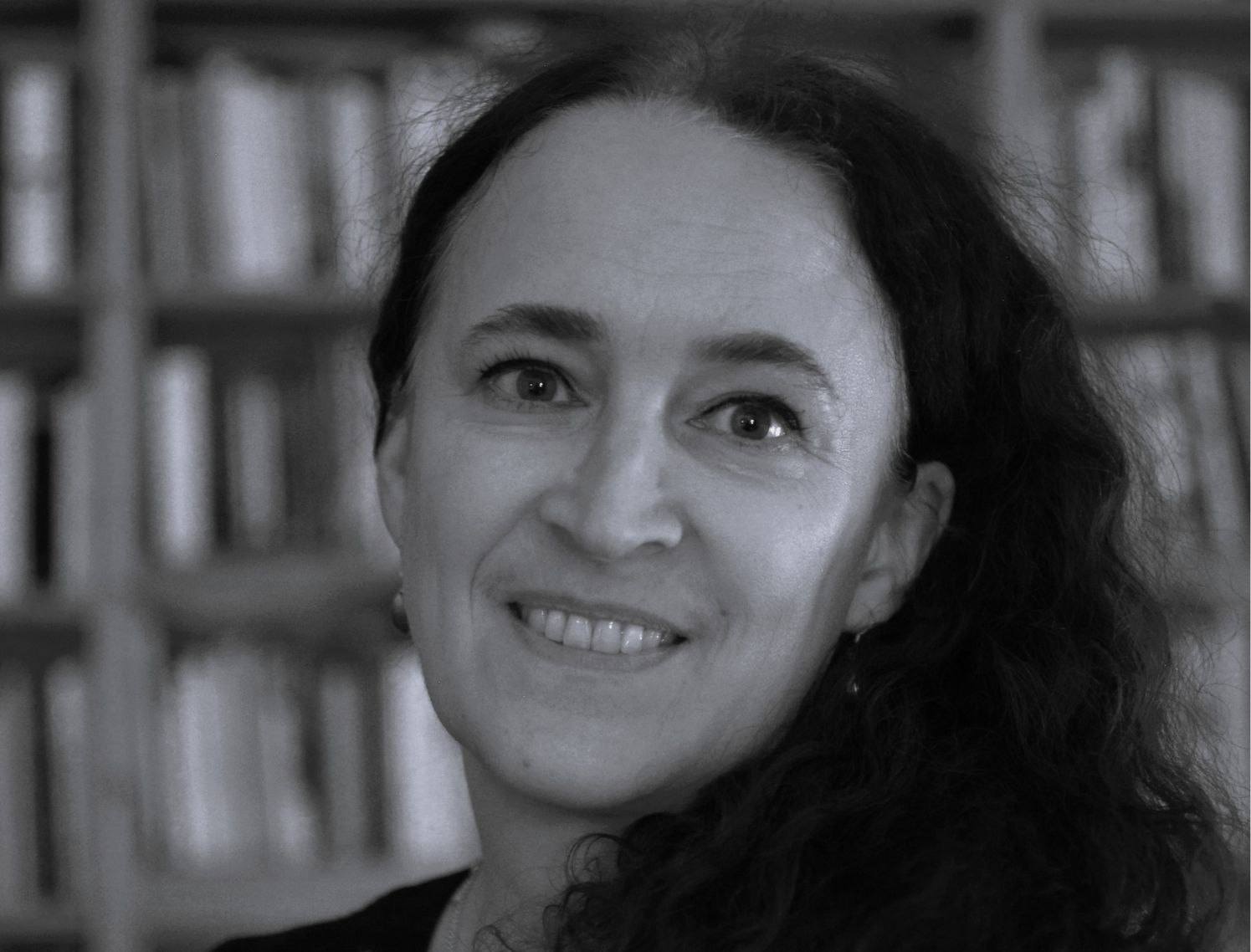
Sophia Marzolff
Without our many wonderful translators, Czech literature would not be accessible abroad. In this series, we want to introduce you to our colleagues and have asked them a few questions. Today we continue with Sophia Marzolff. She studied Romance and Slavic languages and literature in Freiburg im Breisgau, Montpellier, and Brno, and worked in various publishing houses as an editor before setting up her own business in Munich as a literary translator from Czech, French, and Italian. Among the Czech authors she has translated are Daniela Fischerová, Květa Legátová, Miloš Urban, Stanislav Komárek, Markéta Pilátová, Jaroslav Boček, Zdena Salivarová, and Alice Horáčková. Sophia Marzolff was most recently awarded a working grant of the Free State of Bavaria.

When you translate, do you tend to think in images, in meaning, or in words?

It’s probably a mix of tones, linguistic sounds, and images that, ideally, generates meaning.

What do you love about Czech that you miss in German?

The ease with which colloquial language appears in Czech literature without sounding forced or pandering. The ingenuity with which foreign words are morphologically integrated into the language. The creativity in the development of neologisms.

What are your favorite words in German and in Czech?

There are, of course, tons of them—how is one supposed to choose? In German, for example: Balsam, Miesmuschel, Pipapo, somnambul, kruschteln, filigran, Mumpitz, gluckern, glimmern, fabulieren …

In Czech, for example: mermomocí (by all means), žal (grief), česnečka (garlic soup), popotahovat (to sniffle), něžně (tenderly), blábolit (to ramble), fofr (haste), fajnšmekr (needs no translation) ...


The interview was conducted by Nathalie Weber.